If you’ve ever shipped perishable goods—whether it’s fresh produce across a state, pharmaceuticals for a regional distributor, or frozen seafood to a coastal market—you know a refrigerated semi-trailer isn’t just a box on wheels. It’s the most critical link between a farm, a lab, or a factory and the end customer. As someone who’s worked in the refrigerated semi-trailer supply industry for over 12 years, I’ve seen first-hand how a bad brand choice can turn a profitable load into a total loss. I’ve spoken to fleet managers who lost $50k in a single ruined produce shipment because their trailer’s refrigeration unit died mid-route, and small business owners who scraped together savings for a used trailer only to deal with daily breakdowns that cut their delivery time in half. That’s why I’m breaking down the best refrigerated semi-trailer brands right now, based on real feedback from drivers, fleet operators, and my own hands-on experience as a supplier. Refrigerated Semi-Trailer

Let’s start with the criteria that matter most when choosing a refrigerated semi-trailer, because any top brand list is useless if you’re not clear on what you need. First is temperature consistency: perishables like leafy greens need to stay between 32 and 36 degrees Fahrenheit, while ice cream requires -10 degrees. A trailer that swings 5 degrees during a cross-country haul is going to ruin your load. Second is durability: these trailers are bouncing down potholed backroads, loaded with 40,000 pounds of cargo, and exposed to rain, snow, and salt in winter. Third is maintenance access: if a refrigeration unit breaks at 2 a.m. on a highway exit, you can’t wait 3 days for a specialist to drive in. And finally, total cost of ownership (TCO)—not just the upfront price, but repair costs, fuel for the refrigeration unit, and resale value when you upgrade.
Now, let’s dive into the brands that check every box for most of my customers. The first and most consistent name I’ve recommended for years is Great Dane. Great Dane has been building semi-trailers for over a century, and their refrigerated line is a staple in the industry for good reason. What stands out most is their temperature control technology—they use ThermoGuard panels that seal so well, I’ve had customers hauling specialty flowers (which are super sensitive to even minor temp fluctuations) for 1,200 miles and never logged a variance over 2 degrees. Their reefers (that’s what insiders call refrigerated trailers) also come with options for everything from small business local hauls to cross-country fleets. For example, their Everest series has a lightweight aluminum frame that cuts fuel use for the refrigeration unit by up to 10% compared to older models, which is a huge win for fleet operators who run 50+ loads a month. I’ve had three different fleets switch from other brands to Great Dane in the last two years, and their biggest complaint has been the resale value—they say a 5-year-old Great Dane reeder sells for 15% more than competitors’ similar models. The only downside? The upfront cost is a bit higher than some budget brands, but my customers always tell me it’s worth it to avoid the risk of spoilage.
Next up, for customers who need heavy-duty use, is Utility Trailer Manufacturing. Utility is the go-to for long-haul and heavy-load operations, especially for frozen goods. Their VS2RA refrigerated trailer is a workhorse—built to handle 80,000-pound gross vehicle weights, which is perfect for food distributors that haul pallets of frozen meat or frozen pizza. What I love about Utility is their focus on driver comfort too, which might seem small, but happy drivers are less likely to skip routine checks that prevent breakdowns. The interior has LED lighting that doesn’t generate excess heat (another plus for temperature consistency) and easy-to-adjust shelving that cuts down on loading time. One of my regular customers is a regional grocery chain that runs 12 Utility reefers across 6 states, and their maintenance manager told me last year that Utility’s local service network is unmatched—they can get a part to a remote garage within 4 hours, even on a Saturday. The only caveat here is that for smaller local operators who only haul 10 loads a month, Utility’s heavy-duty build might be overkill, leading to higher upfront costs.
If you’re on a tighter budget but still need reliability, look no further than Wabash National. Wabash has carved out a spot in the mid-range market, and their National Refrigerated Trailer line is ideal for small businesses and new fleets that don’t want to sink $80k into a brand-new model. What surprises a lot of people is that Wabash doesn’t cut corners on insulation—their DuraPlate panels are as durable as Great Dane’s ThermoGuard, and they offer a 5-year warranty on the structural frame, which is longer than Utility or Wabash’s competitors for mid-range models. I sold a Wabash reeder to a small craft brewery last year, and they use it to haul beer to 20 stores within a 300-mile radius. They’ve only had one minor issue in 18 months, and a local mechanic fixed it for $120—way less than the repair costs I’ve heard for other brands. That said, Wabash’s refrigeration units are a bit less energy-efficient than Great Dane’s, so if you’re running cross-country hauls where the reefer is powered 24/7, you’ll pay a bit more in fuel over time. But for local or regional hauls, it’s a steal.
Wait, but what if you need a specialized trailer for temperature-sensitive pharmaceuticals or medical supplies? That’s where Thermo King’s refrigerated trailers stand out. Wait, no—Thermo King is best known for the refrigeration units, not the trailer itself. Oh, right, there’s another brand that pairs perfectly with Thermo King units for medical use: Carrier Transicold trailers. Carrier builds trailers specifically for controlled-temperature cargo, including their Vector series which can maintain precise temperatures (within 1 degree) even in extreme heat. I recently supplied a Carrier trailer to a pharmacy that delivers COVID-19 vaccines (a job that requires strict temperature logging), and they told me Carrier’s built-in temperature monitoring system lets them track every change in real time on their phone, which cuts down on audit time. The downside? Carrier’s specialized models are more expensive, and their service network is more focused on commercial fleets than small businesses. But if you’re hauling pharmaceuticals or other regulated cargo, it’s non-negotiable.
Now, let’s talk about the brands I don’t recommend. I’ve had too many customers come to me after buying off-brand or generic refrigerated trailers from online marketplaces, and the stories are consistent: broken insulation, frequent reefer breakdowns, and resale values that are almost nothing. There’s a reason Great Dane, Utility, and Wabash have been around for decades—they invest in R&D, test their trailers in real-world conditions, and have service networks that cover most of North America. I once had a customer buy a $40k generic reeder from an online auction, and after 3 months, the insulation failed so badly that he lost $12k in fresh strawberry shipments. He ended up trading it in for a Wabash, and the repair costs for the generic trailer were more than the trailer was worth. So when I talk to new customers, I always warn them: a refrigerated semi-trailer is an investment, not a purchase you skimp on.
Now, let’s get to what you need to know before you buy. First, define your use case: are you hauling local produce once a week, cross-country frozen goods 5 times a month, or pharmaceuticals that need 24/7 temp monitoring? For local hauls, Wabash is great; for cross-country frozen, Utility; for specialty perishables, Great Dane; for medical cargo, Carrier. Second, check the service network: make sure there’s a mechanic near you who works on that brand’s reefers—no matter how good the trailer is, if you can’t fix it when it breaks, it’s useless. Third, ask about TCO, not just upfront price: a $70k Great Dane might seem more expensive than a $60k Wabash, but if the Great Dane saves you $1,000 a year in fuel and $2,000 a year in repairs, it’ll pay for itself in 3 years.
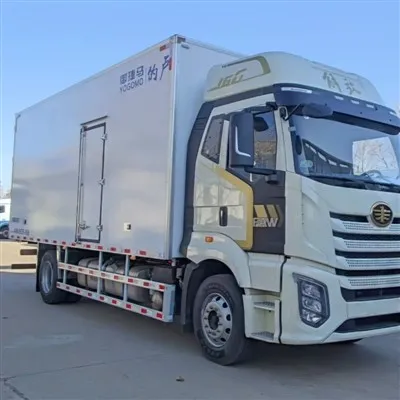
As someone who’s been in this industry for years, I’ve seen how the right refrigerated semi-trailer can make or break a business. I’ve helped small businesses grow from 1 to 10 routes, and fleets expand across the country, all because they chose a reliable brand that kept their cargo safe. If you’re in the market for a refrigerated semi-trailer, I’m here to help you find the right fit for your needs. Whether you’re a first-time buyer or looking to upgrade your entire fleet, I can walk you through the pros and cons of each brand, help you compare TCO, and connect you with local service providers in your area. Reach out to me to start the conversation about your specific needs.
Reefer Truck References:
- American Trucking Associations. (2023). Refrigerated Cargo Transportation Best Practices.
- North American Trailer Manufacturers Association. (2022). Semi-Trailer TCO Benchmark Report.
- User Reviews of Commercial Refrigerated Trailers, 2021-2023. Commercial Vehicle Consumer Survey.
- Food and Drug Administration. (2022). Temperature Control Requirements for Perishable Food Transportation.
Hebei Three Sworn Brothers Special Purpose Vehicle Co., Ltd.
We are one of the most professional refrigerated semi-trailer manufacturers and suppliers in China, featured by quality products and good price. Please rest assured to wholesale durable refrigerated semi-trailer for sale here from our factory. Welcome to view our website for more information.
Address: No.19,Taihang South Road, Economic Development Zone,Qinghe County, Hebei Province
E-mail: miaj@cnreeferbox.com
WebSite: https://www.cnreeferboxes.com/
