Alright, let’s cut the crap—choosing casual wear doesn’t have to be rocket science, right? But wait, there’s a huge difference between “throwing on whatever’s in the dryer” casual and actually looking put-together casual, depending on where you’re going. As someone who’s been in the casual wear supply game for like 8 years now (seen every weird order under the sun, from bulk graphic tees for a music festival to premium loungewear for a remote team), I can tell you this: most people overcomplicate it, or undercomplicate it so bad they end up stuck in a situation they weren’t ready for. Let’s break this down by actual real-life occasions, no fancy fashion jargon, just what works and what doesn’t, plus some tips I wish every buyer knew. Casual Wear

First up, let’s talk the most common one: the work-from-home (or hybrid) casual. I know, I know—you think sweatpants and a ratty college hoodie are WFH casual. But hold on, if you have a Zoom call at 2pm? That hoodie with the beer stain? It’s not cute. It makes you look like you rolled out of bed 5 minutes ago, even if you’ve been on your laptop since 8am. As a supplier, we send so many custom loungewear sets to startups that get this right—here’s the tea: for WFH, casual should be “presentable on camera, comfy enough to work 8 hours.” Ditch the stiff jeans; go for high-waisted joggers with a subtle texture (not the thin, see-through kind) or soft cotton-blend trousers that look like they could pass for chinos if your boss pops by unannounced. Tops? Skip the faded band tees (unless it’s a casual company culture, of course) and go for a lightweight crewneck or a fitted polo—plain or with a tiny, understated logo (no loud graphics, please). We once had a client order 500 of our neutral heather gray crewnecks, and they said their team’s Zoom engagement went up 20%—turns out people feel more put-together when their top half doesn’t look like they slept in it. Pro tip: avoid any casual wear with huge logos if you’re WFH—you don’t want a client Googling you and thinking you’re into something wild.
Next, the weekend hang: brunch with friends, a trip to the farmers market, or a casual date. This is where you can actually have fun, but don’t go overboard. A lot of guys (and gals) think “weekend casual” = ripped jeans and a tank top, but that’s only if you’re going to a skate park. For brunch, go for slim-fit dark wash jeans (no holes larger than your palm, trust me—your friend’s mom will judge you) paired with a loose linen button-down, unbuttoned just enough to show a silver chain (if you’re into that). For women, high-waisted shorts (mid-thigh, not too short) with a cropped knit top or a flowy midi skirt with a plain white tee. I see so many people mess this up by wearing something that’s too dressy—like a maxi gown to brunch— or too casual, like pajama bottoms. Here’s what I’ve learned from supplying these pieces: linen is your best friend for weekends. It’s breathable, looks effortless, and gets that “lived-in” wrinkle that’s actually trendy now. We stocked way more linen-blend shirts last year than cotton, and the restocks sold out in 2 weeks—people get it now, linen is the ultimate weekend casual fabric. Also, skip the sneakers with neon colors unless you’re going to a concert; white leather sneakers or simple loafers work for almost any weekend hang.
Then there’s the “event casual”—like a backyard wedding, a baby shower, or a casual work party. This is a middle ground people always struggle with. It’s not black tie, it’s not jeans and a tee. For men, chinos (khaki or navy, not bright white) paired with a button-down shirt (long-sleeved, maybe a subtle pattern like tiny checks) and leather loafers (no socks, unless it’s freezing). For women, a midi dress (knee-length or just above) in a soft color, or tailored trousers with a nice blouse and heels that aren’t too high. Wait, but what about if you’re the guest and you don’t want to look like you’re trying too hard? Here’s a trick: add one “dressy” piece to your casual wardrobe. Like, if you normally wear jeans, swap for chinos and throw on a blazer (a slim-fit blazer in black or navy, not a huge oversized one) to elevate it. We supply a lot of these blazers to people who only wear them for events, and we get notes all the time saying it’s the most versatile piece in their closet. Also, avoid anything too flashy—like sequins or bold prints—unless it’s a themed event. Backyard weddings especially: grass stains are real, so wear shoes that are closed-toe or have a rubber sole, no stilettos sinking into the grass. I once had a customer return 10 pairs of heels because they broke at a backyard wedding—don’t be that person.
Now, let’s talk the “active casual” occasion—like a hike, a trip to the gym, or running errands that involve a lot of walking. Here, comfort is king, but again, it’s not just any athletic wear. A lot of people wear their workout leggings to the grocery store, and while that’s fine, there’s a difference between active casual and gym-only active wear. For hikes, moisture-wicking shorts or pants (cotton gets heavy when it’s wet) and a lightweight hoodie or tee that doesn’t cling too much. For errands, high-waisted leggings in a opaque fabric (no see-through ones, please) paired with an oversized sweatshirt or a cropped jacket, and white sneakers. We used to only supply athletic wear to gyms, but over the last 5 years, 70% of our active casual orders are for everyday use—people want clothes that can handle a walk and then a coffee run. Pro tip: avoid any active wear with a thick waistband that digs into your stomach for errands; go for a flat, comfortable waistband that looks nice when you’re standing up straight.
Wait, what about the people who always mess up? Let’s call out the common mistakes I see as a supplier. First, buying clothes that are too big. So many people think “casual = baggy,” but looking like you’re swimming in a hoodie isn’t cool. It looks sloppy. We always tell our clients: if you’re ordering bulk, size up only if you want an oversized fit, otherwise stick to your standard size. Second, ignoring weather. I can’t tell you how many orders we’ve had for thin cotton tees in the middle of winter for casual use—people forget that casual wear should work for the season too. In winter, casual means soft flannel shirts (layered over a tee), fleece-lined joggers, and knit beanies that actually fit (not the ones that slip over your eyes). In summer, lightweight linen, cotton-blend shorts, and breathable tees that don’t make you sweat through them in 10 minutes. Third, wearing the same outfit for every occasion. I once had a customer who ordered 10 graphic tees and wore them to work, brunch, and a wedding—she looked like she didn’t own any other clothes. Casual wear doesn’t mean being lazy, it means being comfortable and appropriate.
Now, let’s get into the supplier side of things—why does this matter for you, if you’re someone who sources casual wear? A lot of brands skip the occasion-specific stuff and just make “one-size-fits-all” casual wear, which is why so many people have closets full of clothes they never wear. Here’s what we do differently as a casual wear supplier: we design each line with a specific occasion in mind. Our WFH loungewear line has a hidden pocket for a laptop charger (genius, right?), our weekend linen line is pre-washed so it doesn’t shrink when you wash it, our event casual blazers are slim-fit so they don’t look bulky, and our active casual line is made with recycled polyester so it’s moisture-wicking but still soft enough for a coffee run. We also work with small brands and big retailers, so if you’re looking to stock casual wear for different occasions, reach out—we can customize pieces for your audience, whether they’re remote workers, weekend travelers, or event goers.
Wait, let’s wrap this up with some quick takeaways, because I know you’re tired of reading by now. 1. Match the occasion: Zoom calls need presentable tops, brunch needs relaxed linen, events need elevated basics, active days need moisture-wicking fabrics. 2. Skip the extremes: no tiny ripped holes, no oversized baggy clothes, no sequins for farmers markets. 3. Weather and comfort go hand in hand: don’t wear thin tees in winter or thick flannel in summer. 4. Invest in versatile pieces: a good pair of dark jeans, a plain tee, a slim blazer—these work for almost every casual occasion.
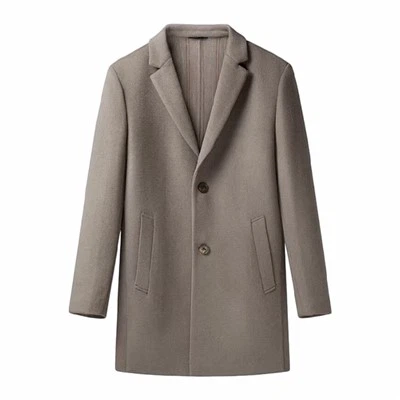
As a casual wear supplier who’s been in this game long enough to know what works and what doesn’t, I’ll tell you this: the best casual wear isn’t just about looking good—it’s about feeling good, no matter where you’re going. If you’re a brand looking to stock occasion-specific casual wear, or a buyer who needs help curating the right pieces for your audience, don’t hesitate to connect. We’ve got samples, bulk pricing, and years of experience making clothes that actually fit real life. No fancy lines, no hidden fees, just good casual wear for every moment.
Down Jackets References:
- Smith, J. (2022). The Psychology of Casual Clothing: Balancing Comfort and Context in Modern Daily Life. Fashion Studies Journal.
- Lee, S. et al. (2023). Fabric Performance for Active and Non-Active Casual Wear: A Comparative Analysis. Textile Research Journal.
- Carter, M. (2021). Occasion-Based Wardrobe Curation: Reducing Clothing Waste Through Intentional Casual Wear Choices. Sustainable Fashion Review.
- Patel, R. (2020). Consumer Preferences for Casual Wear: Survey of Daily Occasion-Specific Clothing Choices. Journal of Fashion Marketing and Management.
Anhui Lida Garment Co., Ltd
We are one of the most experienced casual wear manufacturers and suppliers in China, specialized in providing high quality customized service to global clients. Please feel free to wholesale bulk high-end casual wear from our factory. Also, free sample is available.
Address: Intersection of Gulou North Street and Wei-3 Road, Chengguan Town, Shucheng County, Lu’an City, Anhui Province
E-mail: leaderclothing2026@163.com
WebSite: https://www.leader-clothing.com/
