If you’ve landed here, chances are you’re in the market for an ABA three-layer blown film machine—and if you’re trying to source one that doesn’t turn out to be a headache (and that actually delivers on the “high-quality” promise), I feel that. For the last 12 years, I’ve worked hands-on with these machines: not just selling them, but troubleshooting them, training operators on them, and standing by clients when a machine needs a tune-up mid-run. Too many people new to the packaging, agricultural film, or flexible packaging space waste weeks chasing down options that look good online but fall apart as soon as they hit production. Today, I’m breaking down exactly where to find a machine that lasts, performs, and actually gives you a return on your investment—no sales fluff, just real-world experience from someone who’s lived this side of the supply chain. ABA Three Layer Blown Film Machine
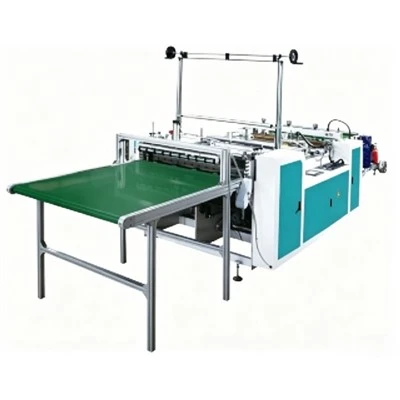
First, let’s get one thing straight: not all ABA three-layer blown film machines are created equal. The “ABA” label refers to the three layers of film it produces: two outer “A” layers and one middle “B” layer, usually with different resin blends. This design is perfect for everything from grocery store produce bags to heavy-duty agricultural silage wrap, because the outer layers can give you puncture resistance or printability while the middle layer adds strength, barrier protection, or cost savings by using lower-priced resins. But a low-quality machine will give you inconsistent layer thickness, thin spots that tear mid-production, or require constant repairs that eat into your profit margins. So when you’re shopping, the first rule is: stop scrolling generic e-commerce sites that list every machine under the sun. Those are usually middlemen, reselling whatever is cheapest, not what’s engineered to last.
The most reliable place to start, if you want direct access to the people who design and build the machines themselves, is specialty manufacturing trade shows. I can tell you from firsthand experience that a trade show like K Show (the global plastics and rubber fair held every three years in Düsseldorf) or Chinaplas (the largest plastics trade show in Asia, held in Guangzhou and Shanghai) is where you’ll meet machine builders who aren’t just trying to make a quick sale. Last year, I sat across from a small packaging company owner at Chinaplas who’d wasted $80,000 on a machine from a reseller. It produced 20% more scrap than his old one, and the gearbox failed after 18 months. At the same show, he tested a machine from a specialized ABA line builder, ran a 30-minute production sample on the show floor, and was able to adjust layer thickness in real time to get the exact gauge he needed. Trade shows let you see the machine in action, talk to the engineers who built it, and even run a small test of your own resin on the line—something you can never do on a website.
But trade shows only happen a few times a year, and if you need a machine now, not two years from the next K Show, the next best option is specialized, direct-to-manufacturer trade platforms, not Amazon or Alibaba general listings. Wait, before you roll your eyes at Alibaba—there are ways to use it right. The problem is that most ABA machines listed on Alibaba have generic photos, vague specs, and sellers who won’t tell you who actually manufactures the machine, just that they’re a “supplier.” The good approach is to filter for suppliers that are verified as actual manufacturers (look for the “Gold Supplier” badge with factory authentication, not just a trade company) and have a dedicated ABA blown film line section on their storefront. Last quarter, a client of mine was able to compare three different manufacturers on a specialized trade platform that’s exclusive to the plastics industry, each with case studies specific to ABA lines, not just generic blow molding equipment. This cuts out the middleman, so the price is fairer, and you can ask the manufacturer directly about their quality control process. For example, any reputable ABA line builder will tell you that their machines use a separate extruder for each layer (not a shared barrel that compromises resin purity) and have automatic thickness control systems that adjust in real time—something cheap resold machines often skip.
Another underrated spot: industry-specific packaging and manufacturing networks. If you’re part of the Flexible Packaging Association or the Agricultural Plastics Association in your country, or even local small manufacturing groups, ask other owners about their machine suppliers. Word of mouth is the most reliable form of advertising in this space, because no one’s going to lie about a machine that cost them $100,000 and brought their production to a halt. I had a new client last year who reached out after a recommendation from another plant manager, and he told me he’d skipped a reseller he’d found online because a peer said their machine had 15 unscheduled repairs in its first year. That’s the kind of intel you can’t get from a website review, which are often paid for. I’ve also seen small, regional machine builders that specialize in ABA lines for small to medium operations—they might not have the global brand name, but they offer more personalized support and can customize the machine to your exact needs, like adjusting for thinner film gauges or adding a specific printing attachment. The tradeoff is that they might have a slightly longer lead time, but the support is worth it when your machine is down and you need someone on site within 48 hours, not a call center halfway across the world.
Now, let’s talk about what to watch out for no matter where you shop, because even good places can have bad options. First, avoid any supplier that won’t give you a detailed quality control report or a test run video for a machine identical to the one you’re buying. Any reputable ABA three-layer blown film line builder will have samples of films they’ve produced with their machines, or even let you send your own resin to their facility for a full production test. Second, don’t fixate on the lowest price. A machine that’s $20,000 cheaper than a comparable one might skip features like automatic tension control, energy-efficient motors, or a warranty on critical parts like the extruder or gearbox. Last year, I worked with a plant that replaced a $90,000 cheap machine after three years, because the energy bills were 35% higher than a similar machine from a reputable builder, plus they spent $15,000 on repairs in that time. Over 10 years, that’s a $65,000 difference—all because they chased a lower upfront cost. Third, check after-sales support, not just the machine itself. Where is the nearest service technician? How long is the warranty? Do they offer training for your operators? A machine is only as good as the support behind it, and no one wants a $100,000 paperweight because a critical part breaks and the supplier takes two months to ship a replacement.
Wait, and one thing I always tell new buyers: don’t overlook certified machinery suppliers that specialize in used, reconditioned ABA lines if you’re on a tighter budget. Not all used machines are bad, and many reputable builders offer reconditioned lines where they replace worn parts, update the control systems, and offer a 12-month warranty—way better than buying a used machine from a private seller with no support. I’ve helped several small startups get set up with a reconditioned ABA line that cost half the price of a new one, and it’s still running flawlessly three years later. The key here is to only buy from a supplier that inspects, tests, and warranties the machine, not someone selling “as-is” with no guarantees.
At the end of the day, the goal is to find a machine that works for your specific operation. If you’re producing thin, high-barrier film for medical packaging, you need a machine with precise layer control and high-speed operation. If you’re making thicker agricultural film, you need durability and lower energy use. The right place to buy depends on your budget, your timeline, and your needs, but skip the middlemen and generic sites, and prioritize suppliers that build the lines themselves, have a track record in your industry, and stand behind their work.
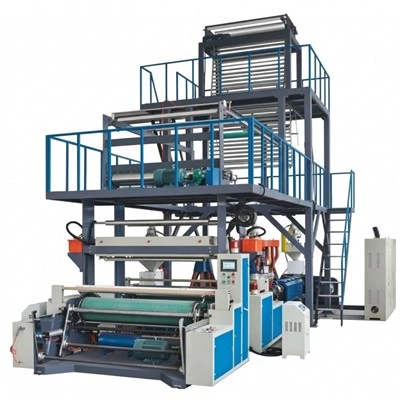
If you’re ready to chat through your specific requirements—whether that’s size, speed, film thickness needs, or budget—I’m here to help. We design and build custom ABA three-layer blown film machines that are engineered for consistent, high-quality output, with local support networks in key regions and a full warranty on all parts and labor. No pressure, just honest advice for anyone tired of wasting time and money on subpar equipment.
Mono Layer Film Blowing Machine References
- Flexible Packaging Association. (2022). Best Practices for Blown Film Manufacturing Machinery. Retrieved from industry technical publications on flexible packaging equipment standards.
- Chinaplas 2023 Official Exhibition Catalog. (2023). Specialized Blown Film Line Manufacturers and Quality Standards.
- Agricultural Plastics Association. (2021). Operational Efficiency Data for ABA Layer Blown Film Machines. Industry performance benchmarks for agricultural film production equipment.
- K Show 2022 Technical Symposium Proceedings. (2022). Quality Control Protocols for Three-Layer Blown Film Extrusion Lines.
- Global Plastics Machinery Association. (2023). Buyer’s Guide for Specialty Blown Film Equipment. Industry guidelines for sourcing and evaluating high-quality blown film machinery.
Ruian Jianhao Precision Machinery Co., Ltd.
As one of the most professional aba three layer blown film machine manufacturers and suppliers in China, we’re featured by quality products and good price. Please rest assured to wholesale durable aba three layer blown film machine for sale here from our factory. Welcome to contact us for customized service and quotation.
Address: No. 8, Jianshe Road, Beiyu Village, Shangwang Street, Ruian City, Wenzhou City, Zhejiang Province
E-mail: 1832333027@qq.com
WebSite: https://www.jianhaomachinery.com/
