Hey everyone, quick heads up before we dive in – I’m Sarah, and I run the team that builds those inspection machines you’ve probably heard about: the ones that catch tiny defects, wrong parts, or packaging errors before products leave the warehouse. Last week, I got an email from a snack factory ops manager saying, “My current inspection machine is a standalone mess. It slows down my line, I have to move products twice, and my downtime’s gone through the roof.” That question – can an inspection machine actually hook up with the rest of the production line? – is one we get all the time. And no, it’s not some fancy futuristic gimmick. It’s straight-up possible, and here’s why it matters more than you think. Inspection Machine

First, let’s get real about what “integrated” actually means here. I’ve seen too many teams assume integration just means plugging a wire between two machines, but that’s half the story. It’s not just a physical connection – it’s sharing data, syncing timing, and fixing the pain points that come with having separate gear. Like, think about a soda can line: you’ve got a filler, a seamer, a labeler, then your inspection machine. If your inspection machine is standalone, a can that gets rejected gets kicked onto a separate conveyor by a human, right? That means someone’s standing around, sorting rejects, which adds labor costs and can even mean good cans get thrown out by mistake. Integrated, and that can rejects itself, logs the reason (like a bad seam), and even tells the seamer to adjust pressure if it’s seeing too many bad seams. No human touch needed there. That’s the kind of integration we’re talking about.
Now, let’s break down the nuts and bolts of how we do this, since I’m on the vendor side, so let’s keep it transparent. We start with OEE – Overall Equipment Effectiveness – because no one wants to waste time on something that doesn’t move that number up. First, we use standard industrial protocols, not random custom stuff. Modbus TCP, Profinet, even MQTT for older lines – we don’t force clients to buy our specific PLC or whatever. A lot of people worry that integrating their old line gear with a new inspection machine will mean shelling out for a whole new line. Not with us. We can build adapters to connect almost any existing machine, whether it’s from 2010 or last month. Last year, we worked with a pharma client that had a 15-year-old blister pack line. They didn’t want to replace the whole thing, so we built a small IoT gateway that talked to their old line’s controller and our inspection machine. That cost them 1/5 of what a full line upgrade would have, and cut their reject handling time by 70%.
Wait, but what about the tech side for people who aren’t engineers? Let’s talk about what actually happens on the floor. Say you’re making chocolate bars. Your molding machine spits out bars, they go to a wrapper, then to our inspection machine, which checks for cracks, wrong bar size, or extra filling. If the machine catches a bad bar, instead of dropping it into a reject bin, it sends a signal to the line’s main conveyor to divert that bar automatically. And here’s the data part – that “bad bar” info gets logged straight to your production software. So next week, if you’re seeing 2x as many cracked bars, you can pull the log and check if the wrapper’s speed is off, or the molding machine’s cooling is acting up. No more waiting for end-of-week reports to figure out why defects spiked. That’s the real win, not just the “it’s connected” part.
I know some of you are thinking, “This sounds great, but what about downtime during installation?” That’s another big worry. We’ve streamlined our integration process so we can usually do it during a scheduled line shutdown, usually overnight or on a weekend. We bring a small team, test the connection once, twice, maybe three times, and by Monday morning, your line’s up, running, and talking to each other. Last quarter, we did a install for a medical device factory that had a 24/7 line. We worked around their shifts, did the connection over a 4-hour window on a Saturday, and they didn’t lose a single production hour. That’s way better than some vendors who take two weeks just to wire stuff up.
But let’s not gloss over the pitfalls here. We’ve seen too many clients go with a “cheap” integration job from some random vendor, and it blows up because they didn’t plan for data compatibility. For example, a cosmetics company we worked with tried to integrate a cheap vision inspection machine with their bottle line. The machine could tell a cap was misaligned, but it couldn’t send that signal to their conveyor because the protocol didn’t match. They ended up wasting two weeks of line time just trying to get the two machines to talk, and lost 10,000 units. That’s why we always do a pre-audit first – we come check your current line, talk to your ops team about what you actually need (not what we think you need), and put together a custom plan that doesn’t require you to throw out your existing gear. No one wants to waste money on stuff they already have.
Wait, let’s talk about a use case that’s super relatable: e-commerce packaging. A lot of brands are now packaging small items (phone cases, skincare samples) into poly mailers, then using an inspection machine to check that the right item is in the right mailer. If that inspection machine is standalone, a worker has to pull the wrong mailer out of the line, scan it, send it back, or throw it away. Integrated, the machine diverts the wrong mailer, sends a note to your order management system, and even tells the pick and place machine to double-check that order. That cuts down on shipping errors, which means fewer returns, which saves brands a ton of money. I talked to one apparel client last year who had a 8% return rate due to wrong items – after integrating our inspection machine, that dropped to 1.2%. That’s the kind of number that makes execs notice, right?
Another thing people sleep on: maintenance. Integrated machines mean you can spot issues before they cause a line shutdown. Let’s say your inspection machine’s camera is starting to blur. If it’s standalone, you might not notice until it starts missing defects, and then you have to shut down the line to fix it. If it’s integrated, the machine logs that “camera clarity is dropping” alert straight to your maintenance software, so you can replace the part during the next scheduled shutdown. No unscheduled downtime, which is the killer for any production line. We’ve had clients tell us that since integrating, their unplanned downtime is down by 30% – that’s a huge gain for any facility, especially the ones running 24/7.
Now, I know someone’s gonna ask, “What about if I have multiple inspection points? Like, first check for wrong parts, then check for packaging errors?” Can those all talk to each other too? Absolutely. We’ve integrated multiple inspection machines with bottling lines, snack lines, medical device lines – you name it. The key is making sure all the machines use the same communication standard, or that we have a middleware layer that translates the signals between them. We don’t make our clients pick between “all our gear” and “integration” – we work with whatever they already have.
Wait, let’s be honest here – it’s not for every single line. If you’re running a super small line, like a mom-and-pop operation making custom baked goods with only 50 units an hour, integration might not be worth it. The cost of hooking everything up might be more than the money you’d save on labor and rejects. But if you’re running a line that makes thousands of units an hour, or if you’re dealing with regulated products (like medical devices or food) where traceability is required, then integration is a no-brainer. For regulated industries, integrated inspection machines mean you have a full log of every product that passed or failed – something auditors love, and something that can save you from fines if a defect slips through.
I get it, change can be scary. A lot of ops managers have been running their lines a certain way for years, and “integrating machines” sounds like adding a bunch of complexity. But from where I sit, it’s the opposite – it simplifies your line, cuts down on manual work, reduces errors, and saves you money in the long run. The worst thing you can do is keep running separate machines, wasting time and money on manual tasks that a machine can do way more accurately.
So, if you’re someone who’s looking to upgrade your production line, or you’re tired of your inspection machine being a standalone bottleneck, reach out to our team. We don’t do pushy sales pitches – we’ll come take a look at your line, ask you what your actual pain points are, and put together a plan that fits your budget and your needs. No vague promises, no hidden fees, just straight-up solutions that make your line run smoother.
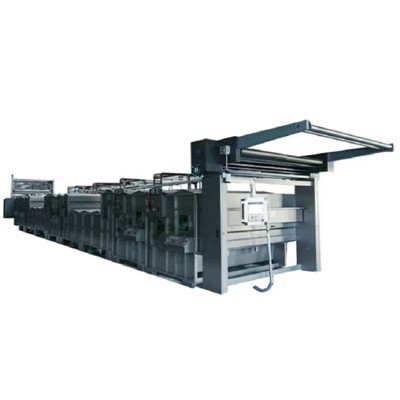
If you’ve been on the fence about integrating your inspection machine with the rest of your line, now’s the time to stop overthinking it. We’ve done this hundreds of times, and we can help you avoid the mistakes that other teams have made. Whether you’re dealing with an old line, a new line, or a mix of both, we’ve got the tools and the experience to make it work.
Textile Sueding Machine References:
- International Society of Automation. (2022). Industrial Communication Protocols for Factory Automation.
- Food and Drug Administration. (2021). Traceability Requirements for Medical Device Production Lines.
- Overall Equipment Effectiveness (OEE) Institute. (2023). The Impact of Integrated Equipment on Downtime Reduction.
- Packaging Digest. (2022). Integrated Inspection Systems for E-Commerce Packaging Lines.
- Plant Engineering. (2023). Adapting Legacy Production Equipment for IIoT Integration.
Jiangsu Feng Te Technology Co., Ltd.
We’re well-known as one of the leading inspection machine manufacturers in China. With a professional production team, we are able to meet the needs of the majority of our customers. Please rest assured to buy discount inspection machine for sale here from our factory.
Address: No. 4 Zhanghong Road, Siying Industrial Park, Lianyungang City, Jiangsu Province, China
E-mail: frentejenny@foxmail.com
WebSite: https://www.jsfrente.net/
