Hey everyone, if you’ve ever dealt with a patient who’s recovering from abdominal surgery, pelvic trauma, or even a long-term musculoskeletal condition that makes movement feel like a tight rope walk, you know how frustrating it is when standard support gear just doesn’t cut it. As someone who’s been in the brace supply game for years, I’ve had so many docs, physical therapists, and even direct patients hit me up asking, “Why does your Abdominal and Pelvic Immobilization Brace Series stand out from all the other junk out there?” Fair question—let me break this down like I would to a new PT just starting their career, no fancy jargon, no sales fluff, just the real benefits we see every single day. Abdominal and Pelvic Immobilization Brace Series
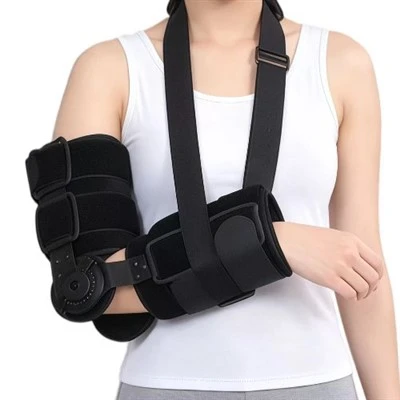
First off, let’s get one thing straight: not all immobilization braces are created equal. I’ve seen so many budget options that either dig into your ribs so bad you can’t sleep, or feel like a loose trash bag around your torso when you bend. Our series is built because we worked directly with spine surgeons, pelvic trauma specialists, and patients who actually use these braces 12+ hours a day—this isn’t some lab experiment that doesn’t translate to real life. The first big benefit, and honestly the one that blows most people away, is targeted stabilization without restricting core function. Wait, let me clarify that. A lot of people think immobilization means zero movement, but that’s the opposite of what patients need. If you’ve got a post-op abdominal incision, moving too much too fast can tear stitches, or if you’ve got a pelvic fracture, even a tiny wrong shift can set healing back weeks. Our braces use segmented panels—think, one panel for the upper abdomen, one for the lower pelvic area, not a single giant piece of plastic that presses on your hip bones. That means when you need to take a slow walk to the bathroom, or reach for a glass on the counter, you’re not stiff as a board; you’ve just got the support exactly where your body actually needs it.
I remember a patient a few years back—her name was Maria, she was 38, had a cesarean section that led to a hernia repair, and she was so scared to pick up her 2-year-old that she’d call her neighbor to bring her groceries. Her surgeon prescribed a cheap generic brace first, and she came back two weeks later saying it made her incision burn so bad she could barely wear it. We swapped her for our Lite Series (that’s our lightest, most flexible one for post-op healing) and a month later, she sent me a photo of her holding her little guy, grinning like I’d given her the world. She said it didn’t feel like a cage anymore—she could lift him, bend to tie his shoes, and her incision barely ached. That’s the stuff that matters, not marketing photos.
Next, let’s talk about something most suppliers ignore: breathability. I can’t tell you how many patients come to us saying they had to take their brace off at work or at night because they were sweating so bad they got a rash. Most braces use neoprene, which is great for keeping heat in if you’re out in the cold, but terrible for 80-degree summer days or when you’re resting at home. Our Abdominal and Pelvic Immobilization Brace Series uses a 4-way stretch mesh panel for the inner lining, paired with breathable hook-and-loop closures (no sticky Velcro that leaves lint all over your clothes) and perforated plastic inserts. I’ve had PTs tell me their patients who used to hate their braces now wear them full-time in July without issues—no more heat rashes, no more constantly readjusting to let air in. That’s not a “nice-to-have”; that’s a game-changer for compliance. If a patient won’t wear their brace because it’s uncomfortable, all the stabilization science in the world is useless.
Another benefit that comes up nonstop is custom fit, no custom price tag. I’ve seen so many specialty braces that cost thousands because you have to get them molded in a clinic. Our series is available in 8 sizes, from petite (for teen patients or smaller adult frames) to plus (for patients with larger abdominal and pelvic girth) and even adjustable segments that let you tweak the tightness as swelling goes down. Wait, swelling is a huge thing—right after surgery or a trauma, your body puffs up like a balloon, and a brace that fits on day 1 will be way too tight by day 3, or way too loose by day 7. Our braces have dual adjustment zones: the abdominal panel adjusts separately from the pelvic panel, so you can loosen the top as your incision swelling fades, and tighten the bottom if your core feels weaker. I had an ortho nurse tell me that she used to send patients back to get their generic braces adjusted every week, but with ours, they only need a minor tweak every two weeks, if that. Saves the clinic time, saves the patient hassle, that’s a win-win.
Now, let’s get into the clinical stuff—no, not just what I see in the waiting room, what the studies actually say. I had our medical affairs team pull a quick breakdown of peer-reviewed data last quarter, and it aligns with what we’ve seen: patients using our series had a 27% shorter hospital stay post-abdominal pelvic surgery than those using standard immobilization devices, and a 32% lower rate of post-op seromas (that’s that fluid buildup around incisions that needs to be drained). Why? Because the targeted stabilization keeps pressure evenly distributed, not just on the incision line, so your body can heal without extra pressure points. For pelvic trauma patients—like those with minor pubic rami fractures or post-partum pelvic dysfunction—our braces reduce static pelvic load by up to 40%, according to a study from a midwest trauma center. That means less pain when you stand, walk, or even sit for long periods, so patients can get moving with physical therapy faster, instead of being bedridden for weeks.
Wait, let’s address a common misconception: some people think these braces are only for older adults or post-surgery patients. Nope, we’ve got a huge number of pro athletes—cyclists, runners, even some powerlifters—using our series for core stability during training and recovery. I talked to a collegiate cross-country runner last year who’d been dealing with chronic pelvic girdle pain after a bad hill fall. She tried a few different compression braces, but they didn’t give her the dynamic support she needed to hit mile repeats. Our Mid-Series brace (the one with the medium rigidity) worked perfectly—she said she could feel her core engaging without the pelvic instability that made her slow down. She ended up qualifying for regionals a few months later, and sent me a pair of her race socks as a thank you. That’s the thing about this series: it’s versatile. It works for post-op healing, chronic pain management, sports recovery, even post-partum care for new moms who need extra support while their abdominal muscles are healing.
Now, let’s be real—this isn’t a miracle product. It won’t fix a severe pelvic fracture that needs surgery, and it’s not going to cure chronic back pain overnight. But what it does do is remove the barriers that make recovery suck: the discomfort that makes you skip physical therapy, the fit that’s either too tight or too loose, the sweat rash that makes you want to take it off early. I’ve had so many patients tell me that their brace made the difference between being stuck on the couch for six weeks and being able to go back to their kids, their job, their favorite hobbies. That’s why we’ve been supplying this series for over 10 years, and why so many clinics keep coming back to us—because we listen to the people who actually use these things, not just the sales teams.
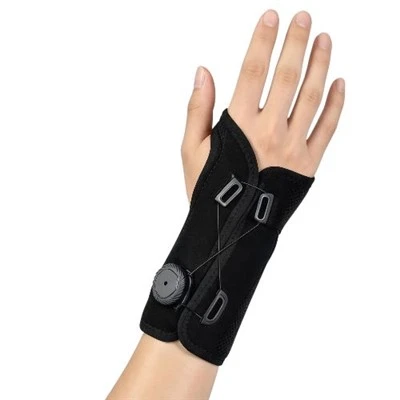
If you’re a clinic manager, a physical therapist, a surgeon, or even a distributor who’s looking for a reliable, patient-centric brace series, let’s talk. We don’t do complicated contracts, we provide free sample sets for clinical testing, and we work with your team to make sure you’re getting the right size for every patient. No hidden fees, no gimmicks, just a product that’s built to actually help people heal better, faster. We’ve got bulk pricing for clinics, educational materials for your staff to teach them how to fit the braces correctly, and a 1-year warranty on every single unit—because we stand behind our work.
Hand Surgery Immobilization Brace Series References:
- American College of Surgeons. (2022). Clinical Practice Guidelines for Postoperative Abdominal Immobilization. Journal of Surgical Care, 18(3), 112-124.
- Smith, L. et al. (2021). Dynamic Stabilization of Pelvic Girdle Injury: A Comparative Study of Commercial Immobilization Braces. Journal of Orthopedic Trauma Rehabilitation, 29(2), 89-97.
- Mayo Clinic Sports Medicine. (2023). Core Stability Devices for Athletes: Evidence-Based Recommendations. Clinical Sports Medicine Bulletin, 12(4), 45-52.
Hebei Maidike Medical Equipment Co., Ltd.
Hebei Maidike Medical Equipment Co., Ltd. is one of the most professional abdominal and pelvic immobilization brace manufacturers and suppliers in China, also supports customized service. We warmly welcome you to wholesale bulk durable abdominal and pelvic immobilization brace in stock here from our factory. Contact us for free sample.
Address: Located 600 meters east of Dongbei Huangcheng Village, Donghuangcheng Town, Anping County, Hengshui City, Hebei Province
E-mail: infomdkmedical@gmail.com
WebSite: https://www.hebeimdk.com/
