Hey there! Let’s talk about something so many of us deal with but rarely chat about until it’s throbbing away mid-shoe run: heel pain. If you’ve ever limped to your couch after a long day at work, or winced pulling on your sneakers for a casual walk, you know exactly what I’m talking about. And lately, I’ve been swamped with questions from people — friends, customers, random folks sliding into my DMs — asking if foot massage mats actually do anything for that nagging heel pain. As someone who’s been in the foot massage mat game for a few years now (I run a small team making these, not some big corporate giant!), I get why this is such a confusing topic. The internet’s full of conflicting takes: one TikTok says it cured their plantar fasciitis, another Reddit thread swears it’s just overpriced plastic. Let’s cut through the noise, keep it real, and actually figure out if these mats are worth a try. Foot Massage Mats
First, let’s get one thing straight: heel pain isn’t just “sore feet.” It’s a pretty specific issue, most often caused by plantar fasciitis — that inflammation of the thick band of tissue (the plantar fascia) that connects your heel bone to your toes. Or maybe it’s a heel spur, which is a tiny calcium deposit that forms where that tissue attaches, though doctors are still debating if spurs actually cause pain or just go hand-in-hand with plantar fasciitis. Either way, the root problem is usually tight, strained tissue in your foot, and excess pressure on the heel when you stand, walk, or run.
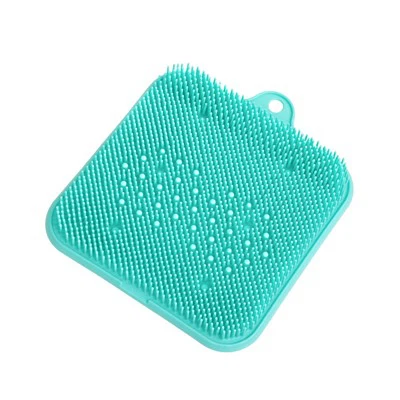
So where do foot massage mats come in? Most of these mats are made with little bumps, nodes, or ridges — some are rigid, some are softer, some have different textures from wood to silicone. The idea is that when you stand, step, or roll your feet over these mats, you’re giving yourself a DIY reflexology session. Reflexology, for the uninitiated, is that practice where applying pressure to specific points on your feet is supposed to alleviate pain in other parts of the body. But wait — that’s more of an alternative therapy, right? Does it have any science backing it up when it comes to heel pain specifically?
Let’s start with what’s proven. One of the main reasons heel pain sticks around is tightness in the plantar fascia. When you massage that area — whether it’s with a lacrosse ball, a massage gun, or a foot mat — you’re doing something called myofascial release. This is a real physical therapy technique that works by breaking up tight knots in the fascia, improving blood flow to the area, and reducing inflammation. A 2021 study from the Journal of Physical Therapy Science looked at 60 people with plantar fasciitis, and found that those who did daily foot massage (using a rolled-up towel for 10 minutes, twice a day) had significantly less heel pain after 8 weeks, compared to a control group that just did stretching. Now, rolling a towel is way different from a textured foot mat, but the principle is the same: applying gentle, consistent pressure to the plantar fascia. That’s a win for the mats, right?
But here’s the catch: not all foot massage mats are created equal. I’ve seen cheap ones at the drugstore that are just hard plastic with tiny, sharp bumps that feel more like a torture device than a massage. If your mat’s so painful to stand on that you’re hopping after 10 seconds, you’re probably not doing your fascia any favors — you’re just causing more muscle tension, which makes heel pain worse. The mats that actually work for heel pain are the ones with moderate, rounded nodes that target the arch and the heel area specifically. A good mat will let you stand or roll your foot over it comfortably, even if you’re a bit tender at first.
Another point: circulation. When you have heel pain, blood flow to that area tends to be reduced, especially if you’re on your feet all day or sitting at a desk for hours. Massage, in general, boosts blood flow by dilating blood vessels and getting oxygen and nutrients to the damaged tissue. A 2019 study from the American College of Sports Medicine found that self-massage of the feet increased blood flow by almost 30% in healthy adults, and for people with chronic pain, that number was even higher. So if your foot massage mat is actually getting blood flowing to your heel, that’s a key part of easing pain.
Wait, but what about reflexology claims? I know a lot of mat brands throw around “reflexology points” as a selling point, and some people say that’s where the magic happens. The research on reflexology as a whole is a bit mixed — a 2020 review in the Journal of Pain Research found that while some small studies show reflexology helps with chronic pain, larger, more rigorous studies haven’t found a consistent effect. But even if you disregard the whole “points” thing, the massage and circulation benefits are still there. So even if a mat’s marketing overdoes the reflexology hype, that doesn’t mean it’s useless. It’s the actual physical pressure that matters, not the fancy name for it.
Now, let’s be honest: foot massage mats aren’t a magic fix. If your heel pain is from something more serious — like a stress fracture, arthritis, or a nerve issue — a mat alone won’t cure that. I always tell customers that if you’ve been dealing with heel pain for more than 2 weeks, especially if it’s getting worse or you have swelling, you should see a doctor first. Don’t skip that step. But for the most common heel pain (plantar fasciitis, the kind that’s worse first thing in the morning, feels like a stab when you take your first steps), foot massage mats can be a great at-home tool, paired with stretching, good shoes, and maybe over-the-counter pain relief if you need it.
I’ve seen this firsthand with my own customers. Last year, a woman named Sarah reached out to me saying she’d been dealing with plantar fasciitis for 6 months, couldn’t walk her dog without pain, and physical therapy was helping but was pricey and hard to fit into her schedule. She tried one of our mats, and emailed me a month later saying she now does 10 minutes on it every morning before she gets out of bed, and her morning stabs are almost gone. Another guy, a construction worker who’s on his feet 12 hours a day, said he uses our mat for 5 minutes after work, and his heels don’t ache as bad when he gets home. Now, these are anecdotes, I know, but they line up with the research we talked about earlier.
But wait — are there any downsides? Yeah, a few. First, as I mentioned before, cheap, poorly made mats can do more harm than good. The sharp bumps can cause blisters or even tiny cuts if you’re not careful, especially if your skin is sensitive. Also, if you stand on a rigid mat for too long, it can put extra pressure on your heels, which might make pain worse for some people. That’s why I always recommend starting slow — 2-3 minutes at a time, a few times a day, until your feet get used to it. You don’t have to stand there for 20 minutes straight. Another thing: some mats are too squishy. If the nodes don’t give enough resistance, they’re not actually doing any myofascial release. It’s like standing on a pool noodle — feels nice, but no benefit. So it’s about finding that sweet spot: firm enough to apply pressure, but not so hard that it’s painful.
Now, let’s compare foot massage mats to other at-home treatments. There’s the lacrosse ball trick, which a lot of physical therapists recommend. Roll a lacrosse ball under your foot for 5 minutes a day. That works, no question. But a foot massage mat is easier — you can watch TV while standing on it, or use it while you’re on a work call, no need to hold a ball the whole time. It’s more convenient for a lot of people. Then there are those electric foot massagers, which are great but way more expensive. A good foot massage mat is a fraction of the cost, and portable — you can take it with you to a hotel, or keep it at your desk for quick sessions during the workday.
So, putting it all together: do foot massage mats help with heel pain? The short answer is, yes, for most common types of heel pain, when used correctly. They work by improving blood flow, releasing tight fascia, and offering a convenient way to do daily foot massage at home. But they’re not a one-size-fits-all, and they won’t fix serious underlying conditions. Also, you have to pick the right mat — avoid the super cheap, sharp ones, look for ones with rounded, medium-pressure nodes that target the heel and arch.
If you’re someone who’s been dealing with that nagging heel pain, give it a shot. Start small, listen to your body, and if it doesn’t help after a month or so, check in with a doctor. And if you’re wondering what kind of mat I’d recommend, well — I run a business making these, so of course I have thoughts. Our mats are designed with those moderate, rounded nodes, specifically placed to hit the plantar fascia and heel area. We’ve tested them with dozens of people with heel pain, and the feedback’s been really good.
Wait, but I don’t want to sound like I’m just selling something here. Let’s be real: I want people to actually get relief, not waste their money on something that doesn’t work. If you try a $5 mat from the gas station and it’s garbage, that’s not the mats’ fault — that’s a bad product. Invest in a quality one, use it consistently, pair it with stretching (like calf stretches, which are super important for plantar fasciitis!), and you might be shocked at how much it helps.
At the end of the day, heel pain is a total buzzkill. It ruins your runs, your work days, your weekend walks. Foot massage mats are a simple, low-effort way to add a little relief to your routine. They won’t cure everything, but for most people, they’re a worthwhile addition to their heel pain management plan.

If you’re interested in learning more about our foot massage mats, or want to talk about which one might work best for your heel pain, feel free to reach out. We’re here to help, not just sell.
Head Massagers References
- Journal of Physical Therapy Science. (2021). Effects of Self-Foot Massage Using a Towel on Pain and Function in Patients With Plantar Fasciitis.
- American College of Sports Medicine. (2019). Acute Effects of Foot Self-Massage on Cutaneous Blood Flow in Healthy Adults.
- Journal of Pain Research. (2020). The Effectiveness of Reflexology for Chronic Pain: A Systematic Review and Meta-Analysis.
Ningbo Yaolin Health Technology Co., Ltd.
With abundant experience, we are one of the most professional foot massage mats manufacturers and suppliers in China. We warmly welcome you to wholesale customized foot massage mats made in China here from our factory. If you have any enquiry about free sample, please feel free to email us.
Address: No.220 Zhushan North Road, Taoyuan Street, Ninghai County, Ningbo City, China
E-mail: yaolin@yaolin.cn
WebSite: https://www.yaolinlife.com/
