When I first started in the kitchen exhaust fan game, I’ll admit I thought choosing one was as simple as picking the shiniest fan on the shelf. Spoiler alert: I was dead wrong. I’ve spent years talking to homeowners, small café owners, and even a few folks who run tiny family restaurants, and almost everyone makes the same mistake—buying a fan that’s either too weak to handle their cooking smoke or way too loud (and expensive) for their space. Today, we’re breaking down how to pick the right exhaust fan, no fancy engineering degree required. I’m not here to push my brand (wait, full transparency: I am a supplier, but I’m gonna tell you exactly what to look for, not just what we sell). Let’s dive in. Kitchen Exhaust Fan
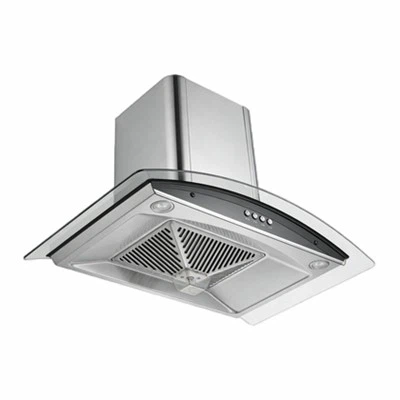
First off, stop ignoring the basics: CFM. That stands for Cubic Feet per Minute, right? But don’t just throw the acronym around like you know it (unless you do, but most people don’t). CFM is basically how much air the fan can move in a single minute—super important. If you get a fan with too low CFM, all that grease, steam, and cooking smell is just gonna hang out in your kitchen, get into your cabinets, and stick to every surface. Too high, and you’re wasting electricity, dealing with a fan that’s so loud it sounds like a jet engine taking off, and even messing up your HVAC system (more on that later).
So how do you calculate the right CFM? Let’s keep it simple. For residential kitchens, the general rule is 100 CFM per linear foot of cooktop. Wait, let me repeat that: linear foot of your cooktop, not your entire kitchen. A lot of people mess this up. If you have a 30-inch cooktop (that’s 2.5 feet, for the math-challenged), you need at least 250 CFM. If you’ve got a big 48-inch commercial-style range (4 feet), that’s 400 CFM minimum. But hold up—if you do a lot of high-heat cooking, like searing steaks or stir-frying veggies that spit oil everywhere, you need to add 50-100 CFM to that number. I see this all the time: someone with a massive gas range buys a basic 300 CFM fan, and wonders why their kitchen still smells like takeout after dinner. Don’t be that person.
For commercial kitchens? It’s a bit different. We follow the National Fire Protection Association (NFPA) standards here. Most commercial spaces need a minimum of 1 CFM per 100 BTU of your cooking appliance. BTU is the heat output, so a 50,000 BTU fryer would need 500 CFM, plus extra for any other burners or griddles you’re running. Also, commercial fans can’t just vent into your attic—they have to vent straight outside, and most need to be connected to a fire suppression system. That’s not something you can DIY, so make sure you’re working with a professional if you’re outfitting a café or restaurant.
Next up, sound level. This is the one that gets slept on hard. I’ve had so many customers come back and say, “That fan is so loud I can’t hear my family eat.” What’s a normal sound level? Look for fans rated at less than 6 sones. Wait, what’s a sone? Oh right, that’s the unit for perceived loudness. A quiet conversation is about 1 sone, a normal shower is about 2, and a garbage disposal is around 3. So if you want a fan that doesn’t drive you crazy, stick to 1-4 sones for residential spaces. Any more than that, and you’ll be turning it off just so you can talk while cooking. For commercial kitchens, they’re gonna be louder anyway—you just have to find the quietest one possible for the CFM you need. Pro tip: Avoid “high speed” settings that jack up the CFM and the sone level at the same time. Some fans have adjustable speeds so you can use lower CFM for small cooking jobs and higher for big ones, without blowing out your eardrums.
Now, vent type. There are two main options: ducted and ductless. Ductless fans (also called recirculating) filter air through charcoal filters and blow it back into your kitchen. They’re great for small apartments or rental spaces where you can’t drill a hole in the wall or ceiling to vent outside. But here’s the catch: the filters need to be replaced every 3-6 months, and they don’t work as well as ducted fans for heavy cooking. If you do a lot of high-heat cooking, ductless is probably not for you—all that grease and smoke isn’t being fully vented, so it’ll keep building up and eventually make your fan smell weird. Ducted fans, on the other hand, vent all the air outside, so they’re way more effective. But you have to have a way to run the ductwork—either through your ceiling, wall, or roof. If your kitchen is in an interior space with no exterior wall access, ducted might be tricky, but it’s doable with a vertical duct through the roof. Just make sure the duct is as straight as possible, with no sharp turns, because that restricts airflow and makes the fan work harder.
Grease filters are another big one—especially if you’re using gas or do a lot of frying. There are two types: mesh filters and baffle filters. Mesh filters are cheaper, but they get clogged with grease faster, so you have to clean them every 2-4 weeks. Baffle filters are more expensive upfront, but they’re way more effective at catching grease, easier to clean (just pop them in the dishwasher), and last longer. For commercial kitchens, baffle filters are almost non-negotiable—they meet fire code requirements, which is huge because grease fires are no joke. I’ve seen too many small restaurants skip good grease filters and end up with a fire hazard. Don’t cut corners here.
Style and size, but not just the way it looks. First, make sure the fan is the right size for your cooktop. A 30-inch wide fan is too small for a 48-inch cooktop—you need the fan to be at least as wide as your cooktop, and preferably 6 inches wider on each side to catch all the smoke. If the fan is smaller, half the grease is gonna drift past it and stick to your walls or cabinets, which is a nightmare to clean. Also, think about how it matches your kitchen. If you have a modern stainless steel kitchen, a sleek stainless steel fan makes sense. If you have a farmhouse kitchen, a rustic black or white range hood might be more your vibe. But don’t pick style over function—there are plenty of good-looking fans that also meet all your CFM and sound needs.
Wait, let’s talk about energy efficiency, because that affects your bills long-term. Look for fans with an ENERGY STAR rating. These use up to 60% less energy than standard fans, which adds up over time, especially if you run your fan a lot. Also, variable speed fans let you adjust the airflow based on what you’re cooking, so you don’t use more energy than you need. Some fans even have motion sensors or timers, so they turn on automatically when you start cooking and turn off after you’re done—no more forgetting to turn the fan off and wasting energy all day. That’s a huge win for busy people.
Common mistakes I see all the time, let’s list ’em so you don’t make ’em: First, buying a fan that’s too small. Like I said earlier, measure your cooktop, not your kitchen, for CFM. Second, ignoring sound level. A fan that’s powerful is useless if you can’t stand to use it. Third, skipping grease filter maintenance. Even the best filter won’t work if it’s caked with grease. Clean it every month, replace it every 6 months. Fourth, for commercial spaces, not getting the right CFM for BTU. Fire codes are strict here, so don’t guess—have a professional calculate it for you. Fifth, ductless fans for heavy cooking. Save those for small kitchens where you can’t vent outside.
Now, a quick note for my fellow suppliers out there (but really, for everyone buying): don’t fall for overblown marketing. A lot of brands will brag about “1000 CFM” fans, but if they’re super loud and low-quality, that doesn’t mean jack. Look at the whole package: CFM, sone level, filter type, energy efficiency. Read reviews from actual customers, not just the ones on the brand’s website. Ask questions—most reputable suppliers will be happy to walk you through the options, no pressure.

At the end of the day, the best kitchen exhaust fan isn’t the most expensive or the shiniest one. It’s the one that fits your cooktop, does the job you need it to (whether that’s venting out a tiny apartment kitchen or handling a commercial fryer station), doesn’t make you go deaf, and won’t break the bank on your electric bill. If you’re still confused about what you need, don’t guess. I’m here to help—whether you’re a homeowner remodeling your kitchen or a restaurant owner outfitting a new space, we can walk through your specific setup, calculate the right specs, and find something that works for you. No pushy sales talk, just real advice based on years in this game.
High Speed Fan References:
- National Fire Protection Association. (2021). NFPA 96: Standard for Ventilation Control and Fire Protection of Commercial Cooking Operations.
- U.S. Department of Energy. (2023). Kitchen Exhaust Fan Buying Guide.
- Underwriters Laboratories. (2022). Standard for Kitchen Exhaust and Ventilation Systems.
- Home Ventilating Institute. (2021). Residential Kitchen Ventilation Guidelines.
Shengzhou Geeking Electric Appliance Technology Co., Ltd.
Address: No. 19, Putian Avenue, Pukou Subdistrict, Shengzhou City
E-mail: 13588516010@163.com
WebSite: https://www.geekingfan.com/
