Hey there, it’s Jake from the geotechnical drilling tools supply team, and if you’ve ever stared down a drilling job wondering why some bits hold up and others crumble mid-bore, you’re in the right place. I get it—when you’re out on site, chasing that core sample or getting through tight ground like wet clay or solid rock, the last thing you need is a tool that lets you down. Let’s cut to the chase: the materials we build these tools with make or break every job, and I’ve spent years figuring out what actually works (no fancy textbook fluff, just real, site-tested stuff). Geotechnical Drilling Tools
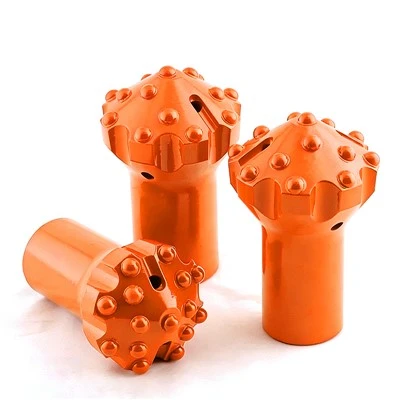
First off, let’s talk about the workhorse material—high-speed steel, or HSS if you’re short on time. This stuff’s been around forever for a reason, right? It’s got that perfect mix of hardness and toughness that makes it great for softer to medium ground. Think sandy soil, loose silt, even stuff like shale that’s not too jagged. But wait, don’t get me wrong—HSS isn’t indestructible. It starts to soften when you’re drilling at super high speeds, so if you’re tackling anything harder, like granite or basalt? HSS’ll wear down faster than a cheap pair of work boots. I’ve seen guys try to power through hard rock with HSS bits just to end up with a dud that can’t even grab a core. That’s why we only use HSS for tools like shallow auger flights, small-diameter drill bits, and the core barrels we use for shallow to medium-depth geotech jobs. It’s affordable too, which is a win when you’re going through multiple sets on a big municipal site.
Next up, carbide. Wait, not just any carbide—tungsten carbide, specifically. This is where the real heavy lifting happens. Tungsten carbide is like HSS’s tough older brother. It’s way harder, holds an edge way better, and doesn’t soften even when you’re drilling at high speeds or through super abrasive ground. We’re talking hard rock, gravelly soil, even stuff with embedded rock chunks that’d tear HSS to shreds. The cool part? We don’t use solid tungsten carbide for most tools, because it’s way too brittle—it’ll chip or crack if you hit a hidden rock pocket or bump the bit on a hard concrete foundation. Instead, we brazed carbide tips onto HSS or steel tool bodies. That way, you get the best of both worlds: the tough, wear-resistant edge on the tip, and the flexibility of HSS to absorb impacts from the ground. I’ve had projects where we drilled 50+ feet through solid limestone with carbide-tipped core bits, and those tips still held up—something HSS could never do.
Wait, let’s not skip over another key material: alloy steel. This isn’t just regular steel you buy at the hardware store, either. It’s steel mixed with other elements like chromium, nickel, or molybdenum to boost its strength and corrosion resistance. Geotech drilling gets messy—you’re working in wet soil, muddy areas, even groundwater with weird chemicals sometimes. Regular steel’ll rust and weaken fast, but alloy steel stands up to that way better. We use alloy steel for things like drill stems, tool holders, and the heavier parts of core barrels that don’t need super hard edges, but need to be tough enough to bend a little without breaking. I once had a drill stem made from regular steel rust through in a week on a coastal site, which cost us three days of delays. Switched to alloy steel, and those stems lasted the whole project—lesson learned right there.
Now, what about newer stuff, like cemented carbide with grain refinement? Yeah, we’ve been using that more lately for extra tough jobs. Fine-grained tungsten carbide is harder than regular carbide, so it holds edges even longer. It’s great for super abrasive ground like glacial till full of rock fragments, or when you’re doing a lot of repetitive drilling in the same hard ground. The downside? It’s a bit more expensive, but when you’re not replacing bits every day, it pays for itself fast. We also use polycrystalline diamond compact, or PDC, bits for some specialized jobs. PDC is made of layers of diamond sintered onto a carbide base—diamond’s the hardest natural material on Earth, so these bits cut through almost anything, especially soft to medium hard rock. The only catch is PDC bits aren’t great for impact-heavy drilling, so we save them for smooth, steady drilling jobs where they can shine.
Let’s talk about what happens when material choices go wrong, because I’ve seen it too many times. Last year, a construction company came to us complaining that their drill bits kept breaking mid-drill on a job near a river. Turns out, they were using cheap HSS bits with no carbide tips, and the wet, gravelly river soil was too abrasive and impact-heavy. We swapped them for carbide-tipped alloy steel bits, and they finished the job on time, no more broken tools. Another time, a geotech firm tried using solid carbide core bits on a site with lots of hidden rock boulders—those bits chipped because solid carbide is too brittle, so we adjusted to carbide-tipped ones that absorbed the impacts. That’s the thing about geotech drilling: it’s not one-size-fits-all, and the material has to match the ground you’re working in.
Wait, I should also mention the coatings we put on these materials, because they’re game-changers too. Things like titanium nitride (TiN) or diamond-like carbon (DLC) coatings. These don’t make the base material harder, but they reduce friction so the bit glides through the ground easier, and they slow down wear. Coated bits last 20-30% longer than uncoated ones, and they don’t overheat as much, which means less chance of the material softening while you’re drilling. We started adding these coatings about five years ago, and our customers noticed a huge difference in how long their tools last. It’s a small extra step, but it makes a big impact on site productivity.
Now, let’s get real about why this matters for you. I know when you’re ordering drilling tools, you’re looking for something that’s reliable, doesn’t cost a fortune, and gets the job done without delays. The last thing you want is a tool that’s made with cheap, low-quality material that breaks on your dime. We don’t cut corners here—we test every batch of materials ourselves before we use them to build tools. We send HSS samples to check their hardness, test carbide tips for impact resistance, and make sure alloy steel stands up to corrosion. No shortcuts, no “close enough” stuff, because your job depends on it.

At the end of the day, the materials geotechnical drilling tools are made of aren’t just random choices. They’re tailored to the specific ground you’re drilling, the depth you’re going, and the conditions of your site. Whether you’re drilling shallow core samples through soft soil or deep boreholes through solid rock, there’s a material (and a tool built from it) that’s perfect for the job. If you’re tired of tools that let you down on site, or you’re not sure what material you need for your next project, reach out to our team. We’re happy to walk through your job, answer any questions, and help you get the right tools to get the job done right, on time, and without the headaches.
DTH Hammer References
- "Drilling Materials and Selection for Geotechnical Projects." Journal of Geotechnical and Geoenvironmental Engineering, vol. 142, no. 11, 2016, pp. 04016068.
- Torkian, S., et al. "Wear Behavior of Tungsten Carbide Inserts in Geotechnical Drilling Applications." Wear, vol. 384-385, 2017, pp. 1-8.
- "Alloy Steel for Drilling Tool Components: Corrosion and Toughness Considerations." International Journal of Mining, Reclamation and Environment, vol. 32, no. 5, 2018, pp. 345-359.
- Zhang, L., et al. "Performance of Fine-Grained Cemented Carbide in Abrasive Drilling Environments." International Journal of Refractory Metals and Hard Materials, vol. 78, 2019, pp. 123-129.
- "Coatings for Drilling Tools: Reducing Friction and Wear in Geotechnical Drilling." Surface and Coatings Technology, vol. 361, 2019, pp. 117-125.
Super Rock Machinery Equipment (Qingdao) Co., Ltd.
We are one of the most professional geotechnical drilling tools manufacturers and suppliers in China, featured by quality products and good price. Please feel free to buy advanced geotechnical drilling tools for sale here from our factory. Welcome to view our website for more information.
Address: No. 45, Pengwan Road, Qianwan Bonded Port Area, Qingdao Sub-district, Free Trade Pilot Zone, Shandong China
E-mail: sales@superrocktools.com
WebSite: https://www.superrocktools.com/
