Hey everyone, it’s Jake from our metallurgical equipment shop—thanks for hanging out here today. Lately, I’ve been getting so many DMs from buyers across the industry asking the same thing: “What actually makes good metallurgical equipment? I don’t wanna blow my budget on something that craps out mid-shift, or worse, causes a safety issue.” Fair question! As someone who’s been selling and tweaking this gear for 12 years, I’ve seen way too many projects derailed by skimping on quality standards. Let’s break this down like we’re geeking out over a new furnace (because that’s basically what we do here), no stuffy jargon—promise. Metallurgical Industry Equipment
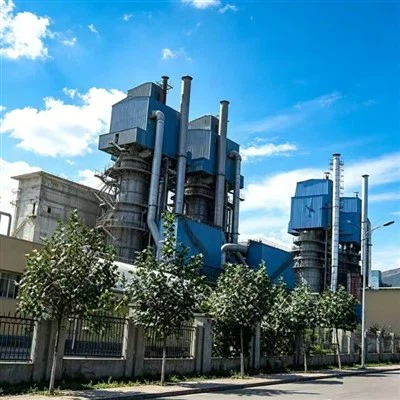
First off, let’s cut to the chase: metallurgy equipment isn’t just another machine. This stuff’s operating in some of the harshest environments on the planet—think 1,200-degree Celsius furnaces, constant vibration from rolling mills, corrosive slag and molten metal eating away at every surface. If your gear can’t handle that, you’re looking at unplanned downtime that costs way more than the initial premium of a well-built unit. So what are the actual standards we live by? Let’s start with material integrity—this is non-negotiable. I’ve seen guys buy cheap steel for a ladle only to have it crack after three weeks, spilling molten metal all over the shop. We don’t use generic steel; we spec high-chromium, high-molybdenum alloys for all parts that touch molten metal, and we test every batch for tensile strength and corrosion resistance. That’s not just “following rules”—that’s keeping your team safe and your line running.
Next up, performance calibration. A rolling mill that’s off by even half a millimeter will scrap tons of steel or aluminum every month. We work so closely with our in-house metallurgists and mechanical engineers that we test every single component before it leaves our warehouse. Last quarter, we had a client running a new bar rolling line that was outputting bars 0.3mm too thick—our team hopped on a call with their maintenance lead, walked them through adjusting the roll gap calibrations, and even sent a free calibration tool set for the next three years. That’s the kind of attention to detail that separates us from guys who just slap parts together and call it a day. Performance standards aren’t just numbers on a spec sheet—they’re about making sure your product hits the quality marks your customers demand, and your line hits its production targets.
Safety is another big one, and I can’t stress this enough. No one wants to see a workplace accident, and the metallurgy industry has some of the highest risks if equipment is subpar. We follow ISO 12100 and OSHA’s specific standards for heavy industrial equipment, but we also add our own extra checks—like redundant temperature sensors on all furnaces, emergency stop buttons that work even when the power cuts out, and heat shields that are 20% thicker than the minimum required. Early in my career, I had a client whose furnace exploded because they skipped a pressure relief valve check—never again. Safety isn’t a box to tick for certifications; it’s a promise to your team that you’re bringing home every night.
Wait, let’s talk about durability and lifecycle costs, because this is where a lot of buyers get duped. A cheap blower might cost $5,000, but it’ll break down every 6 months, costing you $10,000 in lost production each time. A high-quality blower from our shop is $12,000, but it’ll run for 5 years with just routine maintenance. That’s not a mark-up—that’s a smart investment. Our equipment is designed for minimum downtime, with easy-to-replace wear parts so you don’t have to tear apart the whole machine when a hose or bearing goes bad. We also offer lifecycle assessments with every sale—we’ll help you map out maintenance schedules, track part replacement, and even suggest upgrades down the line when your production needs change. Most of our clients have been with us for 5+ years because they see that value, not just the upfront price.
Then there’s customization and compatibility. Every metallurgical operation is different—some guys are making high-purity aluminum for aerospace, others are processing scrap steel for construction, some are running small batch lines and others are full-tilt 24/7. Generic off-the-shelf equipment rarely fits the bill. We don’t just sell a one-size-fits-all furnace; we work with you to tweak every part—adjust the hearth size to match your raw material input, modify the exhaust system to cut down on emissions (which is another big one these days—environmental standards are getting stricter), even adjust the control interface so your team doesn’t have to learn a whole new system. Last year, we had a client who was switching from copper to brass processing, so we reconfigured the ladle lining and adjusted the temperature control for their existing rolling mill—saved them $200k vs. buying all new gear. That’s the kind of flex you need, and it’s only possible if your supplier is focused on your specific needs, not just moving product.
Oh, and don’t sleep on digital integration—this is the new standard now, especially for modern metallurgy lines. No more manual logbooks and guesswork. Our equipment comes with built-in IoT sensors that track temperature, vibration, energy use, and wear part life in real time. You can pull up a dashboard on your phone or laptop to see how your furnace is running, get alerts if something’s off, and even schedule maintenance before a part breaks. A lot of our older clients were skeptical at first, but after they saw how much downtime they cut by catching a small vibration issue before it turned into a big repair, they’ve all converted. The standard here isn’t just having sensors—it’s having sensors that actually provide actionable data, not just numbers you have to sift through.
Wait, let’s be real—standards mean nothing if you can’t back them up with support. When your line goes down at 2 a.m., you don’t want to wait 3 days for a replacement part or a technician to fly out. That’s why we keep a full inventory of all replacement parts at our local warehouse, and our service team is on call 24/7 for every client. We’ve had a client in the Midwest who had a critical pump fail during a holiday production run—our techs drove 6 hours overnight to get them a new pump and get the line back up by morning. No extra fees, no red tape, just showing up for our clients. That’s a quality standard too—support that matches the quality of the gear we sell.
I know this all sounds like we’re hyping our shop, but that’s only because these standards aren’t arbitrary—they’re what keep our clients in business. I’ve seen so many suppliers cut corners to undercut the competition, and it always comes back to bite the buyer. Last year, a client of ours switched to a cheaper burner from a “discount” supplier, and within 2 months, their furnace’s heat distribution was off, leading to 15% more scrap material. They ended up spending more on repairs and scrap than they would have on our burner over a year. It’s not just about specs—it’s about trust. We stand behind every piece of equipment we sell with a 3-year warranty on all core components, and we’ll come fix or replace anything that’s not performing up to our standards.
So if you’re in the market for metallurgical equipment, don’t just look at the price tag. Ask about the materials they use, the testing they do, the safety features they include, the lifecycle costs, and what kind of support you’ll get when something goes wrong. At the end of the day, your equipment is the backbone of your operation—skimping on quality is like building a house on sand. We’ve helped hundreds of shops across the country upgrade their lines, cut downtime, and boost their production, and we’d love to help yours too.

If you’re ready to chat through your specific needs—whether you’re building a new line, upgrading an old one, or just have questions about how to keep your current gear running—hit us up for a procurement discussion. We can walk you through our standards, show you case studies from similar operations, and work with you to find a solution that fits your budget and your long-term goals. Don’t waste another deal with gear that’ll leave you frustrated—let’s make something that works for you.
Lime Production Line References
ISO 12100:2010, Safety of machinery – General principles for design – Risk assessment and risk reduction
OSHA 29 CFR 1910, Occupational Safety and Health Standards for General Industry (specifically Subpart O – Machinery and Machine Guarding)
ASM International, Materials Selection for Metallurgical Equipment and Processes, 2022 Edition
Metallurgical Industry Energy Efficiency Standards (Global, ISO 50001)
American Iron and Steel Institute (AISI), Quality Standards for Steelmaking and Finishing Equipment, 2021
Handan Metallurgical Engineering & Research Co., Ltd.
Handan Metallurgical Engineering & Research Co., Ltd. is well-known as one of the leading metallurgical industry equipment manufacturers and suppliers in China. We warmly welcome you to buy high quality metallurgical industry equipment made in China here from our factory. Good service and competitive price are available.
Address: Cheng’an County, Handan City, Hebei Province, China
E-mail: hanhaizhao@dzmer.com
WebSite: https://www.dzmer.com/
