Hey everyone, it’s Jake here, and I run a calcium hydroxide powder supply business—so I get it when customers shoot me that exact question: “Is your calcium hydroxide powder toxic?” It’s such a common, valid concern, especially if you’re new to sourcing this stuff for work, home projects, or even industrial use. I don’t like beating around the bush, so let’s break this down straight, no overly jargon-heavy science, just real talk from someone who handles this powder every single day and knows the ins and outs of how it’s regulated and used safely. Calcium Hydroxide Powder
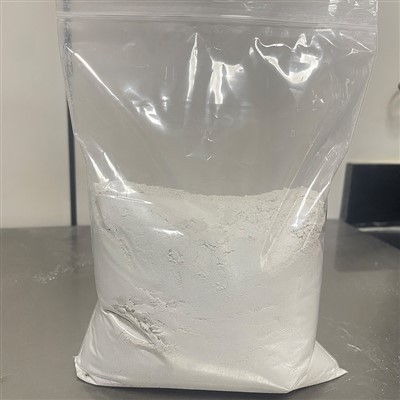
First off, let’s get one thing clear: calcium hydroxide powder isn’t an acutely toxic substance. Wait, what’s acutely toxic? That means it’ll knock you out or make you deathly ill right away if you touch it, breathe it in, or eat a small amount. Let me tell you, I’ve had lab techs test our powder a dozen times, and none of those tests came back showing it’s acutely toxic. The actual definition from places like the U.S. Occupational Safety and Health Administration (OSHA) and the World Health Organization (WHO) backs this up, too—calcium hydroxide falls into the “low acute toxicity” category when you compare it to things like bleach or paint thinner, which will wreck your system fast if you mess with them.
But here’s where people get confused, and where I can’t stress this enough: just because it’s not acutely toxic doesn’t mean you can treat it like table salt or flour. This stuff is a base, right—stronger than baking soda, weaker than drain cleaner, but still a chemical that can cause harm if you don’t handle it right. Let’s walk through the main ways you might be exposed, because that’s where the risk comes from, not the powder itself being “poisonous.”
First, inhalation—breathing in the dust. If you’re loading a pallet of our calcium hydroxide powder, or mixing it in a big batch for a construction project without a mask, that fine dust can get into your lungs. It’s not toxic, but it’s a irritant. I’ve had new warehouse helpers come to me with a stuffy nose or a cough after their first day on the job, and that’s exactly why we make every single team member wear N95 masks around the powder. Breathing too much dust over time, like if you work with it every single day for months, can cause lung issues—nothing life-threatening, but it can scar the tissue a little bit, which makes it harder to breathe long-term. OSHA even set a limit for how much dust you can be exposed to in an 8-hour workday: 5 milligrams per cubic meter of air for respirable particles. We always make sure our customers know that number, too, not just our own staff.
Next, skin contact. If you get the powder on your bare hands and leave it there, especially if your skin is damp from sweat or water, it’ll react with the moisture to make calcium hydroxide solution—also called lime water. That solution is alkaline, and it can burn your skin if you leave it on too long. I’ve had a customer text me once saying he got a rash after mixing some powder for a backyard garden project, and when I asked him, he said he didn’t wear gloves and just wiped his hands on his jeans afterward. That’s fixable: wash the area with cool water right away, and it’ll go away in a day or two. The only time skin contact gets really bad is if you leave it on for hours, or if you have sensitive skin or pre-existing conditions like eczema. For normal, healthy skin? It’s an irritation, not a toxic burn.
Then there’s eye contact. That’s the one that’ll send you to the doctor fast. If calcium hydroxide powder gets in your eye, it reacts with the tear fluid there to make a super strong alkaline solution, which can burn the cornea. A few years back, one of our delivery drivers had a tiny puff of dust blow into his eye while he was unloading a pallet, and we rushed him to the eye clinic right away. They flushed his eye with water for 20 minutes, which is the exact first step everyone should take if this happens, and he was fine after a few days. The key here is acting fast—don’t rub your eye, just flush it with clean water for at least 15 minutes, and get to a doctor if the pain doesn’t go away. Again, this isn’t the powder being toxic; it’s a chemical burn from the alkaline reaction.
Now, what about ingestion—eating it? That’s another area people worry about, especially since calcium hydroxide is actually used in some food products. Wait, hold up—yes, really! You know that thing called nixtamalization, where corn is soaked in lime water (calcium hydroxide solution) to make tortillas and masa? That’s been done for thousands of years in Latin American cuisine. It’s also used in some cheesemaking, pickling, and even as a calcium supplement. But here’s the catch: if you eat a tiny amount, like a pinch that spills on your workbench, it’ll probably give you an upset stomach—nausea, maybe some cramping. But if you eat a large amount, like a whole handful, that’s a problem. The alkaline solution it makes in your stomach can burn your esophagus and stomach lining, which is painful, and you’d need to go to the hospital. But again, this is from the amount, not the powder itself being toxic like something cyanide.
I think a lot of the confusion around calcium hydroxide comes from mixing it up with other lime products—like quicklime, which is calcium oxide. Quicklime is way more reactive, and if it gets wet, it can actually get hot enough to start a fire. I’ve had customers ask me if our calcium hydroxide is the same as quicklime, and I always tell them no—we sell slaked lime, which is calcium hydroxide, already reacted with water, so it’s much less volatile. That’s a key difference people don’t know, and it changes the whole safety profile.
As a supplier, I don’t just ship bags of powder and walk away. I send every customer a safety data sheet (SDS) with each order, which spells out exactly how to handle it, what to do if you get exposed, and the limits we talked about earlier. I also do quick check-ins with new customers to make sure they’re using the right gear—masks, gloves, goggles—because at the end of the day, I don’t want anyone getting hurt on my watch.
Wait, let’s also talk about industrial vs. food-grade calcium hydroxide, because that’s a huge point. We offer both, right? Some of our customers are construction companies using it for mortar or soil stabilization, others are food manufacturers using it for that nixtamalization or pH adjustment in drinks. The food-grade stuff is tested way more strictly—it has to meet FDA standards, no heavy metals or contaminants that would be unsafe for eating. The industrial grade is for things like sewage treatment, where you just need it to adjust pH, and it’s not meant for food contact. So if someone asks for “toxicity,” it matters which grade you’re using. Food-grade is safe for the intended use, industrial grade isn’t—because it has impurities, not because the calcium hydroxide itself is toxic.
I’ve seen so many bad takes online calling calcium hydroxide “poison” because of a couple of horror stories, but those stories almost always come from someone not following basic safety steps. Like, a guy who breathed in a ton of dust for years without a mask, or a kid who got into a bag and ate a bunch. Those are avoidable. It’s like saying “water is toxic” because someone drowned—yes, if you misuse it, it’s dangerous, but that’s not the substance itself being toxic.
Another thing: long-term environmental exposure. Wait, some customers ask if dumping leftover powder is bad, and again, it’s not toxic, but it can alter the pH of soil or water if you dump a huge pile in one spot. If you dispose of it properly, like taking it to a hazardous waste facility (though it’s not technically hazardous, most places will take it) or recycling unused powder, it’s fine. We always tell customers not to dump it down storm drains, though, because a bunch of powder could make the local stream too alkaline, which would kill fish and plants. That’s an environmental concern, not a toxicity one for humans or animals, but it’s still important to mention.
Let me wrap this up for anyone still on the fence. Calcium hydroxide powder isn’t toxic when handled correctly, the way most common industrial or food chemicals aren’t. The risks come from exposure—breathing too much dust, not protecting your skin or eyes, ingesting large amounts—and those risks are 100% preventable with basic safety gear and common sense.

If you’re in the market for calcium hydroxide powder—whether you need it for construction, food production, water treatment, or any other use—I’m here to help. We offer both food-grade and industrial-grade options, all with full SDS, and I can walk you through exactly what you need to stay safe. Hit me up to chat about your project, ask more specific questions about handling, or get a quote—no pressure, just straight answers from someone who’s been in this game for years and cares about our customers staying safe.
Calcium Carbonate Powder References
- Occupational Safety and Health Administration (OSHA). Calcium Hydroxide: Chemical Safety Data. U.S. Department of Labor, 2022.
- World Health Organization (WHO). Environmental Health Criteria 128: Calcium and Calcium Compounds. WHO Press, 1992.
- U.S. Food and Drug Administration (FDA). Food Additive Status List: Calcium Hydroxide. FDA, 2023.
- National Institute for Occupational Safety and Health (NIOSH). Pocket Guide to Chemical Hazards: Calcium Hydroxide. Centers for Disease Control and Prevention, 2021.
Chaohu Jirun Energy Conservation and Environmental Protection Technology Co., Ltd.
We’re well-known as one of the leading calcium hydroxide powder manufacturers and suppliers in China, also support customized service. Welcome to wholesale high quality calcium hydroxide powder in stock here from our factory. If you have any enquiry about pricelist, please feel free to email us.
Address: No. 9, north of the intersection of Weihai Road and Weili Avenue, within the industrial park of Yinping Town, Chaohu City, Hefei City, Anhui Province.
E-mail: 13305654485@163.com
WebSite: https://www.chaohujirun.com/
