In the world of power electronics, high frequency transformers play a crucial role. As a high frequency transformer supplier, I’ve witnessed firsthand the evolution of transformer technology, particularly the emergence of planar transformers as a significant alternative to traditional high frequency transformers. In this blog post, I’ll delve into the differences between these two types of transformers, exploring their design, performance, applications, and more. High Frequency Transformer
Design and Structure
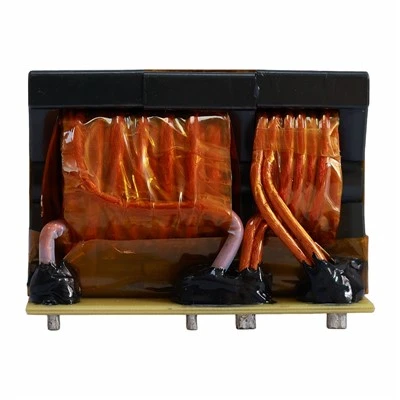
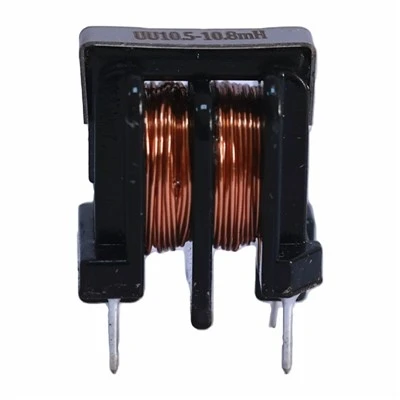
The most apparent difference between planar and traditional high frequency transformers lies in their physical design. Traditional high frequency transformers typically use a bobbin – wound structure. The windings are made of round copper wires that are wound around a magnetic core, often in a toroidal, E – core, or U – core shape. The number of turns and the winding arrangement are carefully calculated to achieve the desired electrical characteristics. This design has been used for many years and is well – understood in the industry.
On the other hand, planar transformers have a more modern and innovative design. They use printed circuit boards (PCBs) for the windings. Instead of round wires, the windings are etched onto the PCB layers. The magnetic core in a planar transformer is often a low – profile structure that can be placed on top of or around the PCB. This flat and compact design allows for a more uniform magnetic field distribution and better thermal management in some cases.
The manufacturing process for these two types of transformers also differs significantly. Traditional high frequency transformers require manual or semi – automated winding processes, which can be time – consuming and labor – intensive. The quality of the winding depends on the skill of the operator, and there can be variations in the winding tension and turn – to – turn spacing. In contrast, planar transformers are fabricated using PCB manufacturing techniques, which are highly automated and precise. This results in more consistent electrical performance from one unit to another.
Electrical Performance
When it comes to electrical performance, both planar and traditional high frequency transformers have their own strengths and weaknesses.
Efficiency
Efficiency is a critical parameter for high frequency transformers, especially in applications where power loss needs to be minimized. Planar transformers often have an advantage in this regard. The use of PCB windings reduces the skin effect and proximity effect losses at high frequencies. The skin effect causes the current to flow mainly near the surface of the conductor, increasing the resistance. In planar transformers, the flat conductors on the PCB have a larger surface – to – volume ratio, which helps to mitigate the skin effect. Additionally, the precise layout of the windings on the PCB can optimize the magnetic coupling between the primary and secondary windings, reducing leakage inductance and improving overall efficiency.
Traditional high frequency transformers, however, can also achieve high efficiency, especially when using high – quality magnetic cores and optimized winding techniques. But due to the nature of the round wire windings, they may experience slightly higher losses at very high frequencies compared to planar transformers.
Power Density
Power density is another important factor, which refers to the amount of power that a transformer can handle per unit volume. Planar transformers generally have a higher power density than traditional high frequency transformers. Their flat and compact design allows for a more efficient use of space. They can be integrated more easily into modern, space – constrained electronic devices such as smartphones, laptops, and server power supplies.
Traditional high frequency transformers, with their more bulky winding structure, may have a lower power density. However, they can still be designed to handle high power levels in applications where space is not as critical, such as industrial power supplies and electric vehicle chargers.
Frequency Response
In terms of frequency response, planar transformers are well – suited for very high – frequency applications. The low parasitic capacitance and inductance of the PCB windings enable them to operate at frequencies in the megahertz range with minimal signal distortion. This makes them ideal for applications such as radio frequency (RF) power amplifiers and high – speed data communication systems.
Traditional high frequency transformers, while capable of operating at high frequencies, may have limitations as the frequency increases. The winding geometry and the presence of higher parasitic elements can lead to a decrease in performance and an increase in losses at extremely high frequencies.
Thermal Management
Thermal management is crucial for the reliable operation of high frequency transformers. Heat generated during operation can reduce the efficiency and lifespan of the transformer if not properly dissipated.
Planar transformers have an inherent advantage in thermal management. The flat surface of the PCB windings provides a larger area for heat dissipation. Additionally, the PCB can be designed with thermal vias to transfer heat from the windings to the outer layers, where it can be more easily dissipated. Some planar transformers can also be integrated with heat sinks or other cooling devices in a more straightforward manner due to their flat structure.
Traditional high frequency transformers, with their round wire windings, may have a more complex thermal profile. Heat is generated inside the winding bundle, and it can be more challenging to transfer the heat to the outside. However, proper design techniques such as using high – thermal – conductivity potting materials and optimizing the core and winding arrangement can help to improve the thermal performance of traditional high frequency transformers.
Applications
The differences in design, electrical performance, and thermal management between planar and traditional high frequency transformers lead to different application scenarios.
Planar Transformer Applications
- Consumer Electronics: In smartphones, tablets, and laptops, planar transformers are used in the power management circuits. Their high power density and low profile make them ideal for these compact devices. They can efficiently convert the input power to the appropriate voltage levels for the different components in the device.
- RF Communication Systems: Planar transformers are commonly used in RF power amplifiers and antenna matching networks. Their excellent frequency response and low parasitic elements ensure high – quality signal transmission and reception.
- LED Lighting: In LED drivers, planar transformers can provide efficient power conversion and a compact form factor, which is essential for the design of modern LED lighting fixtures.
Traditional High Frequency Transformer Applications
- Industrial Power Supplies: Traditional high frequency transformers are widely used in industrial power supplies, where high power handling capabilities and robustness are required. They can withstand harsh operating environments and high – load conditions.
- Electric Vehicle Chargers: In electric vehicle charging stations, traditional high frequency transformers are used to step down the high – voltage grid power to the appropriate voltage for charging the vehicle’s battery. Their ability to handle high power and their well – established design and manufacturing processes make them a reliable choice for this application.
- Renewable Energy Systems: In solar inverters and wind turbine power converters, traditional high frequency transformers are used to transfer power between different voltage levels. They can operate efficiently in the variable power and environmental conditions associated with renewable energy sources.
Cost Considerations
Cost is an important factor in the choice between planar and traditional high frequency transformers. Planar transformers generally have a higher upfront cost due to the more advanced PCB manufacturing process and the specialized materials required. However, in high – volume production, the cost of planar transformers can be reduced through economies of scale.
Traditional high frequency transformers, on the other hand, have a more established manufacturing process, and the cost of raw materials such as round copper wire is relatively lower. The labor cost for winding the transformers can be a significant factor, but in some regions with lower labor costs, traditional high frequency transformers can be more cost – effective, especially for low – to – medium – volume production.
Conclusion
In conclusion, both planar and traditional high frequency transformers have their own unique advantages and disadvantages. Planar transformers offer benefits such as high efficiency, high power density, and excellent frequency response, making them suitable for modern, high – tech applications. Traditional high frequency transformers, with their proven reliability and cost – effectiveness in certain scenarios, still play a vital role in many industrial and power applications.
As a high frequency transformer supplier, I understand the diverse needs of our customers. Whether you require a planar transformer for a cutting – edge consumer electronics product or a traditional high frequency transformer for an industrial power system, we have the expertise and capabilities to provide you with the right solution.
Power Transformer If you are in the market for high frequency transformers and would like to discuss your specific requirements, I encourage you to reach out to us. Our team of experts is ready to assist you in selecting the most suitable transformer for your application and ensuring a smooth procurement process.
References
- "High – Frequency Transformer Design Handbook", by Colonel Wm. T. McLyman
- "Planar Transformers: Theory, Design, and Application", by Dr. Robert Erickson and Dr. Dragan Maksimovic
Dongguan Hensiron Electric Co., Ltd.
As one of the most professional high frequency transformer suppliers in China, we have world-leading production equipment and strong manufacturing capabilities. Please feel free to buy high quality high frequency transformer made in China here from our factory. Customized orders are welcome.
Address: Building 4, Xinxing Industrial Zone, Wangao Road, Wanjiang Street, Dongguan City, China
E-mail: jessica@dghensiron.com
WebSite: https://www.dghensiron.com/
