Hey there! As a supplier of plastic pelletizing equipment, I’ve seen firsthand how important it is to follow proper safety measures when using this machinery. This equipment can take various forms of plastic waste, like bottles and bags, and turn them into small, uniform pellets. These pellets are super versatile and can be used to make all sorts of new plastic products. But it comes with its risks, so let me share with you some key safety tips to keep in mind. Plastic Pelletizing Equipment
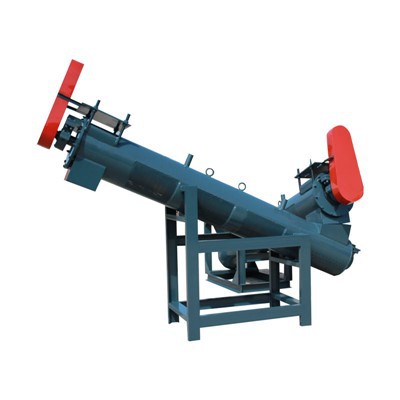
Pre – operation Checks
Before you even think about firing up the plastic pelletizing equipment, you’ve got to do a thorough inspection. First off, take a good look at the machine’s exterior. Check for any visible signs of damage, like cracks in the housing or loose parts. A small crack might seem harmless, but it could lead to bigger problems down the line, like leaks or even mechanical failures.
Next, focus on the electrical connections. Make sure all the wires are properly plugged in and there are no frayed or exposed wires. Faulty electrical connections can cause short – circuits, which are not only dangerous but can also damage the equipment. You don’t want to be dealing with a burned – out machine or, worse, an electrical fire.
The feeding system is another crucial part to check. Ensure that there are no blockages in the hopper or the feeding chute. Blockages can cause the plastic material to back up, leading to overheating and potential damage to the equipment. Also, check the conveyor belts for any signs of wear and tear. If the belts are too loose or too tight, it can affect the feeding process and put extra stress on the machine.
Personal Protective Equipment (PPE)
Wearing the right PPE is non – negotiable when working with plastic pelletizing equipment. Let’s start with safety glasses. The pelletizing process can generate small plastic particles and debris that can fly into your eyes. Safety glasses will protect your eyes from these potential hazards. Make sure the glasses fit properly and have side shields for added protection.
Gloves are also essential. You’ll be handling hot plastic and potentially sharp edges on the equipment. Heat – resistant gloves will protect your hands from burns, while cut – resistant gloves can prevent injuries from sharp parts. Choose gloves that are comfortable and allow you to have a good grip on the tools and materials you’re working with.
Ear protection is often overlooked but very important. The plastic pelletizing equipment can be pretty noisy. Prolonged exposure to high – level noise can cause hearing damage. So, wear earplugs or earmuffs to reduce the noise level.
A dust mask is a must, especially if you’re working in an area where there’s a lot of plastic dust. Inhaling plastic dust can be harmful to your respiratory system. A good quality dust mask will filter out the dust particles and keep you breathing clean air.
Operating the Equipment
When you’re ready to start the machine, follow the manufacturer’s instructions carefully. Don’t try to take shortcuts or operate the equipment in a way that it’s not designed for. Start the machine at a low speed and gradually increase it to the recommended operating speed. This will help prevent sudden shocks to the system and reduce the risk of mechanical failures.
Keep a safe distance from the moving parts of the equipment. The rotating blades and conveyors can cause serious injuries if you get too close. Don’t reach into the machine while it’s running, even if you think there’s a minor problem. Always turn off the machine and wait for all the moving parts to come to a complete stop before you attempt any maintenance or adjustments.
Monitor the temperature and pressure gauges regularly. The pelletizing process requires precise temperature and pressure settings. If the temperature gets too high, it can cause the plastic to degrade and produce harmful fumes. If the pressure is too high, it can lead to explosions or other mechanical failures. If you notice any abnormal readings on the gauges, stop the machine immediately and investigate the issue.
Maintenance and Cleaning
Regular maintenance is key to keeping the plastic pelletizing equipment safe and efficient. Make a maintenance schedule and stick to it. This includes tasks like lubricating the moving parts, checking the alignment of the blades, and tightening any loose bolts.
Lubrication is crucial because it reduces friction between the moving parts, which in turn reduces wear and tear and prevents overheating. Use the recommended lubricant for your specific equipment and apply it at the intervals specified in the manual.
Blade alignment is important for the quality of the pellets and the safety of the equipment. Misaligned blades can cause uneven cutting and put extra stress on the machine. Check the blades regularly and adjust them if necessary.
When it’s time to clean the equipment, use the appropriate cleaning agents. Plastic can be sensitive to certain chemicals, so make sure you’re using the right ones. Turn off the machine and disconnect it from the power source before you start cleaning. Remove any built – up plastic residue from the hopper, conveyor belts, and other parts of the machine. Cleaning not only helps keep the equipment in good working condition but also reduces the risk of fires, as plastic residue can be flammable.
Emergency Preparedness
No matter how careful you are, accidents can still happen. That’s why it’s important to be prepared for emergencies. Have a first – aid kit readily available in the work area. Make sure all the workers know where it is and how to use the supplies in it.
Install fire extinguishers near the equipment. Plastic pelletizing involves heat, so there’s always a risk of fire. The type of fire extinguisher you need depends on the nature of the potential fire. For most plastic – related fires, a dry chemical fire extinguisher is a good choice. Train all the employees on how to use the fire extinguishers properly.
In case of an electrical emergency, make sure there are clearly marked emergency stop buttons on the equipment. Every worker should know where these buttons are and be able to reach them quickly. Also, have an emergency evacuation plan in place. Conduct regular drills so that everyone knows what to do in case of a serious emergency.
Training and Education
All the workers who will be operating the plastic pelletizing equipment should receive proper training. The training should cover the equipment’s operation, safety procedures, and maintenance. It’s not enough just to give them a manual and expect them to understand everything. Hands – on training is essential.
During the training, the workers should learn how to start and stop the machine safely, how to adjust the settings, and how to troubleshoot common problems. They should also be educated on the potential hazards associated with the equipment and how to avoid them.
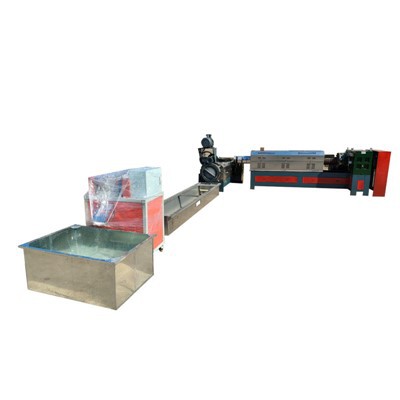
Regular refresher courses are also a good idea. Technology and safety standards are constantly evolving, so it’s important to keep the workers up – to – date with the latest information. This will not only improve safety but also increase the efficiency of the equipment operation.
Plastic Cleaning Equipment If you’re in the market for high – quality plastic pelletizing equipment and want to learn more about how to operate it safely, I’d love to talk. We can go over all the details, including the specific safety features of our machines. Contact me to start discussions about a potential purchase and how we can help you get the most out of your plastic pelletizing process while keeping safety at the forefront.
References
- American Society of Safety Professionals’ guidelines on industrial machinery safety
- Manufacturer’s manuals of common plastic pelletizing equipment
- Occupational Safety and Health Administration (OSHA) regulations on plastic processing machinery
Laizhou Yuening Machinery Co., Ltd.
As one of the most reliable plastic pelletizing equipment manufacturers in China, we warmly welcome you to buy cheap plastic pelletizing equipment made in China here from our factory. All customized machines are with high quality and low price. For pricelist, contact us now.
Address: Yuanjia Village, Luwang, Shahe Town, Laizhou City, Yantai City, Shandong Province
E-mail: yueningjixie@163.com
WebSite: https://www.ynplasticmachinery.com/
