As a seasoned supplier of electrical enclosures, I’ve witnessed firsthand the devastating impact of corrosion on these crucial components. Electrical enclosures serve as protective shields for sensitive electrical equipment, safeguarding them from harsh environmental conditions, moisture, chemicals, and physical damage. However, when these enclosures succumb to corrosion, the consequences can be severe, ranging from equipment malfunctions and downtime to safety hazards and costly repairs. Electrical Enclosure
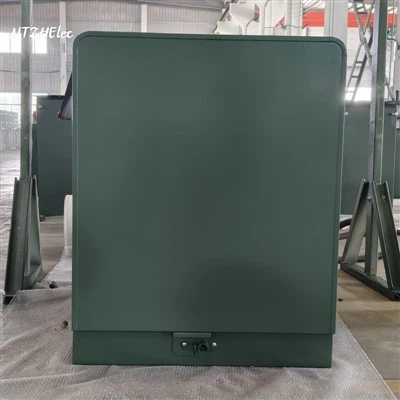
In this blog post, I’ll share my insights on the various coatings that can be used to make electrical enclosures corrosion-resistant. I’ll discuss the key factors to consider when selecting a coating, the different types of coatings available, and their respective advantages and limitations. By the end of this post, you’ll have a better understanding of how to choose the right coating for your electrical enclosures and ensure their long-term durability and performance.
Key Factors in Coating Selection
Before diving into the different types of coatings, it’s important to understand the key factors to consider when selecting a coating for your electrical enclosures. These factors will help you determine the most suitable coating for your specific application and ensure that it provides the desired level of corrosion protection.
- Environmental Conditions: The first step in selecting a coating is to assess the environmental conditions to which the electrical enclosure will be exposed. Factors such as temperature, humidity, presence of chemicals, salt spray, and UV radiation can all have a significant impact on the performance of the coating. For example, enclosures used in coastal areas may require a coating that is highly resistant to salt spray, while those used in industrial settings may need to withstand exposure to chemicals and solvents.
- Substrate Material: The type of substrate material used for the electrical enclosure also plays a crucial role in coating selection. Different substrate materials have different surface properties and chemical compositions, which can affect the adhesion and performance of the coating. For example, steel enclosures may require a different type of coating than aluminum enclosures due to the differences in their corrosion resistance and surface reactivity.
- Coating Thickness: The thickness of the coating is another important factor to consider. A thicker coating generally provides better corrosion protection, but it may also increase the cost and weight of the enclosure. The optimal coating thickness will depend on the specific application and the level of corrosion protection required.
- Application Method: The application method of the coating can also impact its performance and durability. Different coating types may require different application methods, such as spraying, dipping, or powder coating. It’s important to choose a coating that can be applied using a method that is compatible with your manufacturing process and equipment.
- Cost: Finally, cost is always a consideration when selecting a coating. While it’s important to choose a coating that provides adequate corrosion protection, you also need to balance the cost of the coating with the overall budget for your electrical enclosures.
Types of Corrosion-Resistant Coatings
Now that we’ve discussed the key factors in coating selection, let’s take a closer look at the different types of coatings that can be used to make electrical enclosures corrosion-resistant.
Epoxy Coatings
Epoxy coatings are one of the most commonly used coatings for electrical enclosures due to their excellent corrosion resistance, adhesion, and chemical resistance. Epoxy coatings are typically applied in multiple layers to provide a thick, durable protective barrier against corrosion. They can be formulated to have different properties, such as high gloss, matte finish, or UV resistance, depending on the specific application.
- Advantages:
- Excellent corrosion resistance, especially in harsh environments.
- Good adhesion to a variety of substrate materials, including steel, aluminum, and fiberglass.
- Chemical resistance to a wide range of chemicals and solvents.
- Can be formulated to have different properties, such as high gloss, matte finish, or UV resistance.
- Limitations:
- Can be brittle and prone to cracking if applied too thickly or in cold temperatures.
- May require a primer or surface preparation to ensure proper adhesion.
- Can be more expensive than some other types of coatings.
Polyurethane Coatings
Polyurethane coatings are another popular choice for electrical enclosures due to their excellent weatherability, UV resistance, and abrasion resistance. Polyurethane coatings are typically applied in a single layer and provide a smooth, durable finish that is resistant to fading, chalking, and cracking.
- Advantages:
- Excellent weatherability and UV resistance, making them suitable for outdoor applications.
- Good abrasion resistance, providing protection against physical damage.
- Can be formulated to have different properties, such as high gloss, matte finish, or anti-graffiti properties.
- Fast drying time, allowing for quick turnaround in manufacturing.
- Limitations:
- May not provide as good corrosion resistance as epoxy coatings in harsh environments.
- Can be more expensive than some other types of coatings.
- May require a primer or surface preparation to ensure proper adhesion.
Powder Coatings
Powder coatings are a dry, solvent-free coating that is applied electrostatically and then cured in an oven. Powder coatings are known for their excellent durability, corrosion resistance, and environmental friendliness. They are available in a wide range of colors and finishes, making them a popular choice for electrical enclosures.
- Advantages:
- Excellent corrosion resistance and durability.
- Environmentally friendly, as they do not contain solvents or volatile organic compounds (VOCs).
- Available in a wide range of colors and finishes.
- Can be applied in a single layer, reducing the need for multiple coats.
- Limitations:
- May require specialized equipment for application and curing.
- Can be more difficult to repair or touch up compared to liquid coatings.
- May not be suitable for complex shapes or recessed areas.
Zinc Coatings
Zinc coatings are a popular choice for protecting steel electrical enclosures from corrosion. Zinc coatings work by providing a sacrificial layer of protection that corrodes in place of the steel substrate. There are two main types of zinc coatings: hot-dip galvanizing and electro-galvanizing.
- Hot-Dip Galvanizing: Hot-dip galvanizing involves immersing the steel enclosure in a bath of molten zinc at a temperature of around 450°C. This process creates a thick, durable zinc coating that provides excellent corrosion protection.
- Advantages:
- Excellent corrosion resistance, especially in outdoor and marine environments.
- Long service life, typically lasting 20-50 years or more.
- Good abrasion resistance.
- Self-healing properties, as the zinc coating will continue to protect the steel substrate even if it is scratched or damaged.
- Limitations:
- Can be more expensive than some other types of coatings.
- May not be suitable for enclosures with complex shapes or tight tolerances.
- The appearance of the galvanized coating may not be as aesthetically pleasing as some other types of coatings.
- Advantages:
- Electro-Galvanizing: Electro-galvanizing involves applying a thin layer of zinc to the steel enclosure using an electroplating process. Electro-galvanized coatings are typically thinner than hot-dip galvanized coatings and provide less corrosion protection.
- Advantages:
- Lower cost compared to hot-dip galvanizing.
- Can be applied to enclosures with complex shapes and tight tolerances.
- Provides a smooth, uniform finish.
- Limitations:
- Less corrosion resistance compared to hot-dip galvanizing.
- Shorter service life, typically lasting 5-10 years.
- May not be suitable for outdoor or marine environments.
- Advantages:
Conclusion
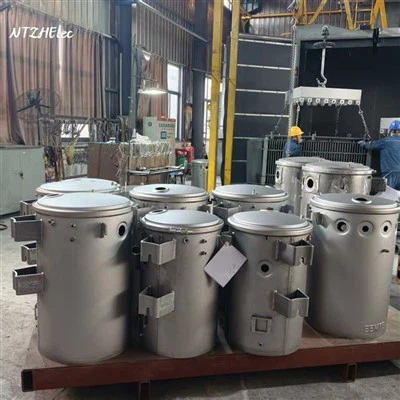
Choosing the right coating for your electrical enclosures is essential to ensure their long-term durability and performance. By considering the key factors in coating selection, such as environmental conditions, substrate material, coating thickness, application method, and cost, you can determine the most suitable coating for your specific application. Epoxy coatings, polyurethane coatings, powder coatings, and zinc coatings are all popular choices for making electrical enclosures corrosion-resistant, each with their own advantages and limitations.
Transformer Radiator As a supplier of electrical enclosures, I’m committed to providing my customers with high-quality products that are protected against corrosion. If you’re in the market for electrical enclosures and need help selecting the right coating, I’d be happy to assist you. Please feel free to contact me to discuss your specific requirements and to learn more about our products and services.
References
- "Corrosion Protection for Electrical Enclosures," NEMA Standards Publication 250-2014.
- "Coatings for Corrosion Protection," ASM Handbook, Volume 13A: Corrosion: Fundamentals, Testing, and Protection.
- "Powder Coating Technology," Society of Manufacturing Engineers.
- "Zinc Coatings: Production, Properties, and Applications," ASM International.
Nantong Zhihe Electric Co., Ltd.
As one of the most professional prefabricated cabin enclosure manufacturers and suppliers in China, we’re featured by quality products and low price. Please rest assured to wholesale cheap prefabricated cabin enclosure made in China here from our factory. Customized orders are welcome.
Address: NO.202 Jianghai West Road, Hai’an Town, Hai’an City, Jiangsu Province
E-mail: colt.ntzh@gmail.com
WebSite: https://www.ntzhelectric.com/
