Hey there! I’m a supplier of light-duty fire pumps, and I often get asked if there are any regulations for using these pumps. Well, you bet there are! In this blog, I’m going to break down what these regulations are, why they’re important, and how they impact you as a potential buyer. Light-duty Fire Pump
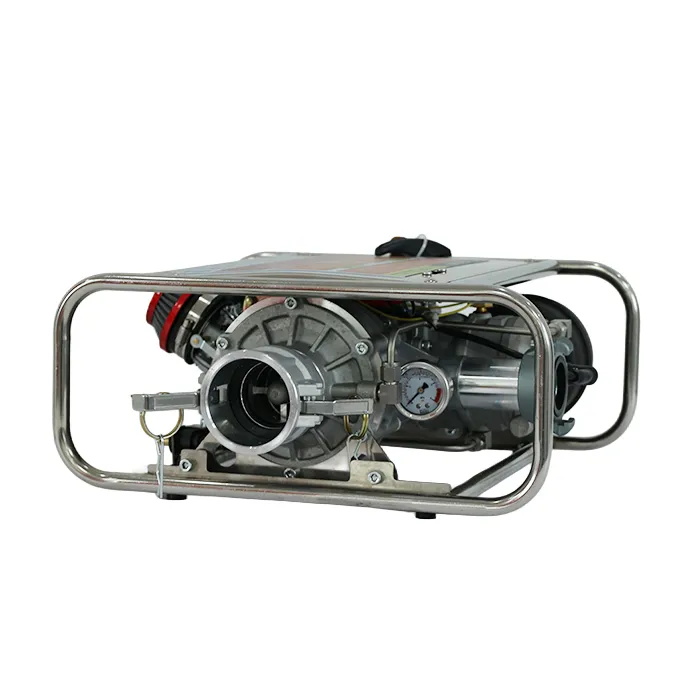
First off, let’s talk about why there are regulations in the first place. Light-duty fire pumps are crucial in ensuring the safety of people and property during a fire. They’re designed to quickly and effectively deliver water to extinguish flames, and improper use can lead to serious consequences. Regulations are in place to make sure that these pumps work as they should and that they’re used in a way that maximizes their effectiveness.
One of the main regulations that apply to light-duty fire pumps is the National Fire Protection Association (NFPA) standards. The NFPA is a global organization that develops and publishes codes and standards for fire safety. Their standards for fire pumps, specifically NFPA 20, cover everything from the design and installation of the pumps to their testing and maintenance.
When it comes to the design of light-duty fire pumps, NFPA 20 sets out specific requirements for things like the pump’s flow rate, pressure, and horsepower. These requirements are based on the size and type of the building or area that the pump will be protecting. For example, a small residential building might require a different type of pump than a large commercial building. By following these standards, manufacturers can ensure that their pumps are capable of providing enough water at the right pressure to effectively fight a fire.
Installation is another area that’s heavily regulated. NFPA 20 provides detailed guidelines on how to properly install a fire pump. This includes things like the location of the pump, the type of piping that should be used, and the requirements for electrical connections. Proper installation is crucial because it ensures that the pump will work correctly when it’s needed. If a pump is installed incorrectly, it might not be able to deliver water to the fire, or it could even cause damage to the building or the pump itself.
Testing and maintenance are also key components of the regulations. NFPA 20 requires that fire pumps be tested regularly to make sure they’re in good working condition. This includes things like weekly or monthly inspections, as well as annual flow tests. Regular maintenance is also necessary to keep the pump running smoothly. This might involve things like changing the oil, replacing worn parts, and checking the electrical connections. By following these testing and maintenance schedules, you can ensure that your fire pump will be ready to go when a fire breaks out.
In addition to the NFPA standards, there are also local regulations that you need to be aware of. These can vary depending on where you’re located, so it’s important to check with your local fire department or building code office to find out what the specific requirements are in your area. Some local regulations might be more strict than the NFPA standards, so it’s always a good idea to err on the side of caution and make sure you’re in compliance with all applicable regulations.
So, how do these regulations impact you as a buyer of light-duty fire pumps? Well, first of all, they give you peace of mind. When you buy a pump that meets the NFPA standards and local regulations, you know that it’s been designed, installed, and maintained to work effectively in a fire. This means that you can trust the pump to do its job when it’s needed most.
Secondly, following the regulations can actually save you money in the long run. By properly maintaining your fire pump, you can extend its lifespan and reduce the likelihood of costly repairs or replacements. Additionally, many insurance companies offer discounts for buildings that have fire protection systems that meet the NFPA standards. This means that by investing in a compliant fire pump, you could potentially save on your insurance premiums.
As a supplier of light-duty fire pumps, I understand the importance of these regulations, and I make sure that all of the pumps I sell meet or exceed the NFPA standards. I also offer installation, testing, and maintenance services to help you stay in compliance with the regulations. Whether you’re a homeowner looking to protect your property or a business owner responsible for the safety of your employees and customers, I can help you find the right fire pump for your needs.
If you’re interested in learning more about our light-duty fire pumps or have any questions about the regulations, don’t hesitate to reach out. We’re here to help you make an informed decision and ensure that you have the best possible fire protection for your property. Contact us today to start the conversation and let’s work together to keep your place safe.
Heavy-duty Fire Pumps References
- National Fire Protection Association (NFPA). NFPA 20: Standard for the Installation of Stationary Pumps for Fire Protection.
Zhenjiang Linhao Forest Fire Prevention Equipment Co., Ltd.
Zhenjiang Linhao Forest Fire Prevention Equipment Co., Ltd. is one of the most reliable manufacturers and suppliers of light-duty fire pump in China, featured by quality products and low price. Please rest assured to wholesale customized light-duty fire pump from our factory. Contact us for quotation and free sample.
Address: No.16,Fenghuangshan Road, Runzhou District, Zhenjiang City, Jiangsu Province
E-mail: lh@lhfirefighting.com
WebSite: https://www.lhfirefighting.com/
