How to install a Residual Current Circuit Breaker?
As a supplier of Residual Current Circuit Breakers (RCCBs), I often get asked about the proper installation process. Installing an RCCB is a crucial step in ensuring electrical safety in both residential and commercial settings. In this blog post, I’ll guide you through the process, sharing insights based on my experience in the field. Residual Current Circuit Breaker
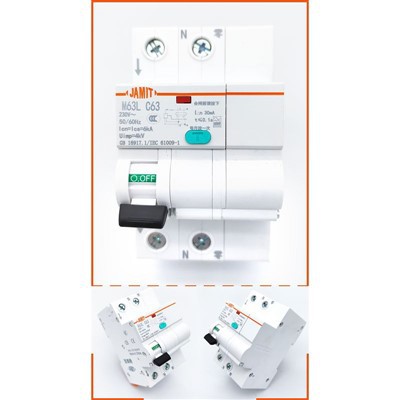
Understanding Residual Current Circuit Breakers
Before we dive into the installation process, it’s important to understand what an RCCB is and why it’s essential. An RCCB is a safety device designed to protect against electric shock and electrical fires. It continuously monitors the electrical current flowing through a circuit. If it detects a difference between the current flowing in the live and neutral conductors (a residual current), it quickly trips the circuit, cutting off the power supply. This can prevent serious injury or damage in case of a fault, such as a short – circuit or a person coming into contact with live electrical parts.
Pre – installation Preparations
- Select the Right RCCB:
- The first step is to choose the appropriate RCCB for your application. Consider factors such as the rated current, which should match the load of the circuit you’re protecting. For a typical household circuit, a rated current of 16A or 20A is common.
- Also, pay attention to the residual operating current. For general protection in a domestic environment, an RCCB with a residual operating current of 30mA is usually recommended. In industrial settings, where the risk of false tripping needs to be minimized, higher values like 100mA or 300mA might be more suitable.
- Gather Tools and Materials:
- You’ll need basic electrical tools for the installation, including a screwdriver, wire strippers, and a voltage tester. Make sure the tools are in good condition and rated for electrical work.
- Additionally, have the necessary electrical cables and connectors on hand. The cables should be of the appropriate size and type for your circuit.
- Turn off the Power:
- Safety is paramount when working with electricity. Before starting the installation, turn off the main power supply to the circuit at the distribution board. Use a voltage tester to confirm that there is no electrical current present in the wires you’ll be working on.
Installation Steps
- Locate the Distribution Board:
- The distribution board is where the electrical supply is divided into different circuits. It’s usually located in a utility room, garage, or basement. Open the distribution board carefully, following any safety instructions provided.
- Remove the Existing Circuit Breaker (if applicable):
- If you’re replacing an existing circuit breaker with an RCCB, use a screwdriver to remove the screws holding the old breaker in place. Disconnect the live and neutral wires from the breaker. Be sure to note the position and color of each wire for proper re – connection later.
- Mount the RCCB:
- Place the RCCB in the appropriate slot in the distribution board. Most RCCBs are designed to fit standard distribution boards. Secure the RCCB in place using the provided screws. Make sure it is firmly attached and properly aligned.
- Connect the Wires:
- Live Wire: Connect the live wire (usually brown in modern electrical installations) to the live terminal of the RCCB. Use a screwdriver to tighten the terminal screw, ensuring a secure connection.
- Neutral Wire: Connect the neutral wire (usually blue) to the neutral terminal of the RCCB. Again, tighten the screw firmly to prevent any loose connections.
- Load Wires: Connect the wires that supply power to the circuit (the load wires) to the appropriate terminals on the output side of the RCCB. Follow the same procedure of tightening the screws to ensure a good electrical connection.
- Check the Connections:
- Once all the wires are connected, double – check each connection to make sure they are tight and secure. Loose connections can cause overheating and potentially lead to electrical fires.
- Close the Distribution Board:
- After verifying the connections, close the distribution board cover. Make sure it is properly sealed to prevent dust and moisture from entering.
Post – installation Checks
- Turn on the Power:
- Gradually turn on the main power supply to the circuit. Use a voltage tester to confirm that power is reaching the output side of the RCCB.
- Test the RCCB:
- Most RCCBs are equipped with a test button. Press the test button to simulate a residual current. The RCCB should trip within a fraction of a second, cutting off the power. If it does not trip, there may be a problem with the installation or the RCCB itself. In this case, turn off the power immediately and re – check the connections.
- Monitor the Circuit:
- Observe the circuit for a few hours after installation. Check for any signs of overheating, such as a burning smell or hot wires. If you notice any issues, turn off the power and consult a qualified electrician.
Common Installation Mistakes to Avoid
- Incorrect Wiring:
- One of the most common mistakes is connecting the wires to the wrong terminals. This can lead to the RCCB not functioning properly or even causing a short – circuit. Always double – check the wiring diagram and the color – coding of the wires.
- Loose Connections:
- As mentioned earlier, loose connections can cause overheating and electrical failures. Make sure all terminal screws are tightened properly.
- Using the Wrong RCCB:
- Selecting an RCCB with the wrong rated current or residual operating current can result in false tripping or inadequate protection. Always choose the RCCB based on the specific requirements of your circuit.
Why Choose Our Residual Current Circuit Breakers?
At [Our Company], we take pride in providing high – quality RCCBs. Our products are manufactured to strict international standards, ensuring reliable performance and long – term durability. We have a wide range of RCCBs to meet the diverse needs of our customers, whether it’s for a small residential project or a large industrial installation.
Our RCCBs are designed with advanced technology to provide sensitive and accurate residual current detection. They are also equipped with features such as over – current protection and short – circuit protection, adding an extra layer of safety to your electrical systems.

If you’re looking for a reliable and cost – effective solution for electrical safety, consider our Residual Current Circuit Breakers. We offer excellent customer support and technical advice to help you with the installation and maintenance of our products.
Miniature Circuit Breaker If you’re interested in purchasing our Residual Current Circuit Breakers or have any questions about the installation process, we invite you to contact us. Our team of experts will be happy to assist you with all your electrical safety needs.
References
- Electrical Installation Regulations, [Country – specific regulations body]
- IEC 61008 – 1: residual current – operated circuit – breakers without integral overcurrent protection for household and similar uses (RCCBs)
- IEC 61009 – 1: residual current – operated circuit – breakers with integral overcurrent protection for household and similar uses (RCBOs)
Tianjin JMT Electric Co., Ltd.
Tianjin JMT Electric Co., Ltd. is one of the most reliable residual current circuit breaker manufacturers and suppliers in China, also supports customized service. Please feel free to buy advanced residual current circuit breaker made in China here from our factory.
Address: East Side of Road No. 6, Jinghai Economic Development Zone, Tianjin
E-mail: wangbing@tj-jamit.com
WebSite: https://www.jamit-electric.com/
