In the realm of PET injection moulding machines, each component plays a crucial role in the overall process. One such vital part is the hopper. As a supplier of PET injection moulding machines, I’ve witnessed firsthand the significance of the hopper and its functions. In this blog, I’ll delve into the functions of the hopper in a PET injection moulding machine and shed light on its importance in the manufacturing process. PET Injection Moulding Machine
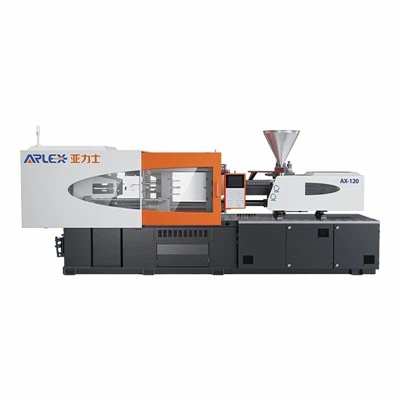
1. Material Storage
The primary function of the hopper in a PET injection moulding machine is to store the raw material, which in this case is PET (Polyethylene Terephthalate) resin. PET resin is usually in the form of small pellets. The hopper provides a large – capacity container where these pellets can be held before they are fed into the injection unit of the machine.
The size of the hopper can vary depending on the requirements of the production process. For high – volume production, a larger hopper is often used to ensure a continuous supply of material. This reduces the frequency of refilling the hopper, which in turn minimizes downtime. For example, in a large – scale bottling production line, a hopper with a capacity of several hundred kilograms might be used to store enough PET resin for hours of continuous operation.
2. Material Feeding
Once the PET resin is stored in the hopper, the next function is to feed it into the injection unit at a controlled rate. The hopper is equipped with a mechanism, usually a screw feeder or a gravity – based system, to regulate the flow of the pellets.
A screw feeder is a common choice in many PET injection moulding machines. It consists of a rotating screw that moves the pellets from the hopper towards the injection unit. The speed of the screw can be adjusted to control the amount of material being fed. This is crucial because the amount of PET resin fed into the injection unit directly affects the quality and size of the final product. If too much material is fed, it can lead to over – filling of the mould and result in defective products. On the other hand, if too little material is fed, the mould may not be filled completely, leading to incomplete products.
Gravity – based feeding systems use the force of gravity to move the pellets from the hopper to the injection unit. These systems are simpler and often more cost – effective, but they may not offer the same level of precision as screw feeders. However, for some applications where a less precise feed rate is acceptable, gravity – based systems can be a viable option.
3. Material Drying
PET resin is hygroscopic, which means it can absorb moisture from the surrounding environment. Moisture in the PET resin can cause problems during the injection moulding process, such as bubbles, splay marks, and reduced mechanical properties of the final product. Therefore, it is essential to dry the PET resin before it is used in the injection moulding machine.
Some hoppers are equipped with drying functions. They can be heated to a specific temperature to remove the moisture from the PET pellets. The drying process is usually carried out by circulating hot air through the hopper. The temperature and the duration of the drying process are carefully controlled to ensure that the PET resin is dried to the appropriate moisture level. For example, the recommended moisture content for PET resin in injection moulding is typically less than 0.02%.
4. Material Mixing
In some cases, it may be necessary to mix different types of PET resin or add additives to the resin. The hopper can be used as a mixing chamber. For instance, if a manufacturer wants to produce a PET product with a specific color, they can add color masterbatch to the PET resin in the hopper.
The hopper can be designed with a mixing mechanism, such as a paddle or a stirrer, to ensure that the materials are evenly mixed. This is important because an uneven distribution of additives or different types of resin can lead to inconsistent product quality. For example, if the color masterbatch is not evenly mixed, the final product may have color variations.
5. Monitoring and Control
Modern hoppers in PET injection moulding machines are often equipped with sensors and control systems. These sensors can monitor various parameters such as the level of the material in the hopper, the temperature during the drying process, and the feed rate.
The level sensors are used to detect when the hopper needs to be refilled. When the material level in the hopper drops below a certain point, an alarm can be triggered to alert the operator. This helps to ensure a continuous supply of material and prevent production interruptions.
The temperature sensors are used to monitor the drying process. They can provide feedback to the control system, which can then adjust the heating elements to maintain the desired temperature. This ensures that the PET resin is dried effectively without over – heating, which could degrade the resin.
The feed rate sensors are used to monitor the amount of material being fed into the injection unit. If the feed rate deviates from the set value, the control system can adjust the screw feeder or the gravity – based system to correct the feed rate.
The Importance of a Well – Functioning Hopper
A well – functioning hopper is essential for the smooth operation of a PET injection moulding machine. It ensures a continuous supply of high – quality PET resin, which is crucial for producing consistent and high – quality products. A malfunctioning hopper can lead to production delays, increased waste, and poor product quality.
For example, if the hopper fails to feed the material at the correct rate, it can cause variations in the size and weight of the final products. If the drying function of the hopper is not working properly, the presence of moisture in the PET resin can lead to defects in the products.
Conclusion
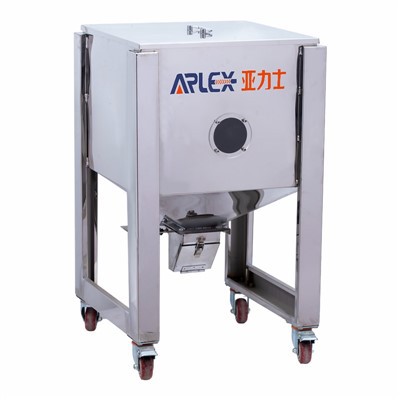
In conclusion, the hopper in a PET injection moulding machine serves multiple important functions, including material storage, feeding, drying, mixing, and monitoring. As a supplier of PET injection moulding machines, we understand the critical role that the hopper plays in the manufacturing process. We offer a range of hoppers with different features and capacities to meet the diverse needs of our customers.
Plastic Injection Moulding Machine If you are in the market for a PET injection moulding machine or need to upgrade your existing hopper, we invite you to contact us for a detailed discussion. Our team of experts can provide you with the best solutions tailored to your specific requirements. We look forward to working with you to enhance your production efficiency and product quality.
References
- Plastics Processing Handbook, Various authors, McGraw – Hill
- Injection Moulding of Thermoplastics Materials, by Rosato, Rosato, and Schott, Kluwer Academic Publishers
Ningbo Yalishi (Arlex) Plastic Machinery Co., Ltd.
Ningbo Yalishi(Arlex) Plastic Machinery Co., Ltd. is one of the most reliable pet injection moulding machine manufacturers and suppliers in China, featured by quality products and low price. Please rest assured to wholesale cheap pet injection moulding machine made in China here from our factory. Customized orders are welcome.
Address: No.63, Huangsu East Road, Industrial Zone, Dongqian Lake Tourist Resort, Ningbo, Zhejiang Province
E-mail: leo@arlex.cn
WebSite: https://www.arleximm.com/
