If you’ve spent any time around the chlor-alkali industry over the past few years, you’ve likely heard the phrase “titanium anodes” thrown around a lot. Ten years ago, they were seen as a reliable but somewhat unremarkable upgrade from older graphite anodes—just another piece of equipment that kept the process running smoothly. Today, though, it’s hard to read a trade journal or attend a sector conference without hearing about new applications that are turning titanium anodes into a core driver of efficiency, sustainability, and innovation for chlor-alkali producers. As someone who’s worked as a titanium anode supplier for this specific industry for over a decade, I’ve watched these shifts firsthand, and I’m here to break down what’s actually changing, why it matters, and how producers can leverage these new use cases to build better, more profitable operations. Titanium Anode for Chlor-alkali Industry
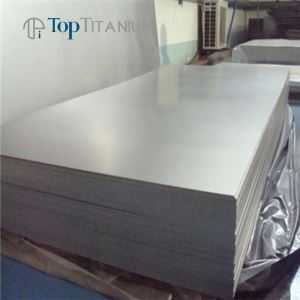
First, let’s do a quick refresher for anyone who might be new to the space: chlor-alkali production relies on electrolyzing brine (sodium chloride solution) to make three core products—chlorine gas, caustic soda (sodium hydroxide), and hydrogen gas. For decades, graphite anodes were the standard, but they had critical flaws: they corroded quickly, required constant replacement, and produced unwanted byproducts that hurt product purity. When titanium anodes first entered the market in the 1970s, they were a game-changer because titanium is naturally corrosion-resistant, and when coated with a thin layer of mixed metal oxides (MMOs) like ruthenium and iridium, they were stable enough to handle the harsh, high-voltage conditions of electrolysis. Early adopters saw immediate wins: longer anode lifespans (from 1–2 years for graphite to 5–10 years for titanium), lower maintenance costs, and higher product purity. But those were just the first generation of titanium anodes. The new applications we’re seeing today are moving far beyond “better than graphite” to solve problems that even the original titanium models couldn’t touch.
One of the biggest new uses popping up right now is in high-purity caustic soda production, a segment that’s grown dramatically over the last five years thanks to demand from lithium-ion battery manufacturers and pharmaceutical companies. Let’s be clear: not all caustic soda is the same. Ordinary industrial caustic has trace levels of heavy metals and other contaminants that make it unsuitable for making battery-grade lithium hydroxide or sterile drug ingredients. A few years ago, producers had to add costly purification steps after electrolysis to hit the required purity thresholds, adding time, energy, and expense to the process. That’s where modern MMO-coated titanium anodes come in. The latest generation of these anodes uses modified oxide coatings that drastically reduce the release of unwanted metal ions during electrolysis. In independent tests we ran with a mid-sized chlor-alkali producer in the Midwest last year, switching from a standard titanium anode to our high-purity grade cut caustic soda’s iron and nickel contamination by 82% right at the electrolysis stage. That meant the producer could eliminate their post-electrolysis ion exchange purification system, saving them an estimated $1.2 million annually in operational costs. What’s more, the anodes still hit their 7-year lifespan mark, so there was no tradeoff on durability. This isn’t a niche use case anymore—battery makers now require 99.99% pure caustic as a feedstock, and more than 30% of the new chlor-alkali production capacity coming online in Asia and Europe this year is specifying this high-purity titanium anode tech.
Another game-changing new application is in green hydrogen co-production, a space that’s at the center of the global push to decarbonize heavy industry. For years, chlor-alkali plants produced hydrogen as a byproduct, but most of it was used on-site to fuel other parts of the operation or sold to nearby refineries. Now, as governments offer huge incentives for low-carbon hydrogen, many plants are retooling to scale hydrogen output for the growing green hydrogen market. The challenge here is that standard titanium anodes aren’t optimized for the higher current densities needed to boost hydrogen production rates. When you run an electrolyzer at a higher current to make more hydrogen, the anode’s voltage can spike, leading to higher energy use and faster coating degradation. The new titanium anodes designed for this use solve that with two key tweaks. First, they have a smoother, more uniform MMO coating that reduces the amount of energy lost as resistance during high-current operation. Second, they use a proprietary grain structure in the titanium substrate that can handle the extra thermal and mechanical stress of continuous high-current runs. We recently supplied a set of these anodes to a chlor-alkali plant in Germany that’s expanding its hydrogen output to sell as a feedstock for steelmakers’ green hydrogen projects. Before the upgrade, their electrolyzers had a maximum current density of 4 kA/m²; with our anodes, they’re running at 6.5 kA/m² without shortening anode life or increasing energy costs. The plant’s operations manager told us that this upgrade let them increase their hydrogen output by 62% without adding new electrolyzer units—an enormous win for a project that’s already under construction to meet EU decarbonization deadlines. For anyone in the space, that kind of efficiency isn’t just good for business; it’s a critical part of meeting net-zero goals by 2050.
But the innovation doesn’t stop there. There’s also a growing new use case for titanium anodes in circular economy-focused chlor-alkali processes that recycle waste brine. For decades, chlor-alkali plants used fresh raw brine from salt mines or seawater, but as freshwater supplies get tighter and salt waste disposal becomes more regulated, many plants are shifting to using recycled brine from industrial wastewater, desalination brine, and even spent salt from other chemical processes. The problem with recycled brine is that it has all kinds of impurities that would eat away at older anode types—like high levels of calcium, magnesium, and organic compounds that cause pitting and corrosion over time. Early attempts to use recycled brine damaged standard titanium anodes, forcing producers to abandon the practice because the anode replacement costs wiped out any savings from using cheaper recycled feedstock. The new generation of corrosion-resistant titanium anodes solves this with a dual coating system: a thin outer MMO layer for electrolysis performance, and a dense, multi-layered inner barrier that blocks impurities from reaching the titanium substrate. We worked with a plant in Texas last year that was struggling with $800,000 a year in brine disposal costs and wanted to switch to 100% recycled brine, but their existing anodes only lasted 18 months when using recycled feedstock. After installing our dual-coating anodes, they’ve now been running on recycled brine for 16 months with no signs of pitting or performance drop, and the anodes are projected to last their full 8-year lifespan. That’s a huge deal for the industry: now, chlor-alkali producers aren’t just using virgin salt, they’re turning waste into a valuable feedstock, cutting their environmental footprint and their operating costs at the same time. This is a trend that’s only going to accelerate as more regions implement stricter waste and water regulations.
Of course, no new technology comes with a few caveats, and titanium anodes for these new applications aren’t a one-size-fits-all solution. Producers can’t just order any titanium anode and expect to hit these gains; the key is matching the anode’s specific design to their exact process needs. For example, a plant focused on high-purity caustic won’t get the same benefits from an anode optimized for high-current hydrogen production. That’s why we don’t just sell standard anodes—we work with each client to run a free process audit, testing their brine composition, current levels, and output goals to tailor an anode that fits their setup perfectly. I’ve seen too many producers jump into new titanium anode tech without doing that research, and they end up disappointed because the anode doesn’t work as well as it should. The good news is that the days of one-size-fits-all industrial equipment are long gone, and titanium anodes are part of that shift toward more customized, efficient processes.
Looking ahead, I expect these applications to keep evolving as the chlor-alkali industry adapts to changing global demands. We’re already seeing early signs of titanium anodes being integrated into modular electrolyzer units for small-scale, distributed chlor-alkali production, which would let smaller facilities take advantage of the same efficiency gains that large plants have used for years. There’s also ongoing research into iridium-free MMO coatings that would bring down the cost of titanium anodes, making them accessible to even more producers. The core takeaway here is that titanium anodes have come a long way from being just a replacement for graphite. They’re now a central part of three of the industry’s biggest shifts: meeting the demand for high-purity chemicals, scaling green hydrogen for decarbonization, and building more circular, waste-friendly processes.

If you’re a chlor-alkali producer looking to upgrade your anodes or explore these new applications, I’m here to help. We’ve spent the last decade refining our titanium anode designs specifically for this industry, and we have the data and case studies to prove our solutions deliver real, measurable returns. Whether you’re looking to cut purification costs, boost hydrogen output, or switch to recycled brine, we can work with you to find a titanium anode solution that fits your process and your goals. Feel free to reach out to discuss your project—there’s no obligation, just a chance to talk about how to take advantage of the latest innovations in titanium anode tech for the chlor-alkali industry.
Titanium Bolt References:
- US Department of Energy, Chlor-Alkali Industry Decarbonization Roadmap, 2022
- International Chlorine Industry Federation, High-Purity Caustic Soda Market Analysis, 2023
- European Commission, Green Hydrogen for Heavy Industry: Implementation Roadmap, 2024
- Journal of Applied Electrochemistry, Advanced MMO Coatings for Titanium Anodes in Impure Brine Electrolysis, 2023
Baoji Top Titanium Industry Co., Ltd.
As one of the most professional titanium anode for chlor-alkali industry manufacturers and suppliers in China, we’re featured by quality products and good price. Please rest assured to buy bulk titanium anode for chlor-alkali industry in stock here and get quotation from our factory. Customized orders are welcome.
Address: No. 2, South Section Of Phoenix 2nd Road,High-Tech Zone, Baoji,Shaanxi, China (Mainland)
E-mail: sales@bjtopti.com
WebSite: https://www.china-topti.com/
