Hey everyone, I’m Jake, and if you’ve ever grabbed a granola bar from a grocery shelf or peeking at a cute product box at a trade show, there’s a good chance it came from a folding carton I worked with—fun, right? As someone who’s been in the folding carton supplier game for 8 years, I’ve seen it all: boxes that get ignored because they look generic, and ones that fly off shelves because they’re exactly what shoppers stop for. Decorating a folding carton isn’t just about slapping on a logo or a fancy color—there’s a method to the madness, and it’s all about balancing what looks good, what works for the product inside, and what makes sense for your budget. Let’s break this down like I’d chat with a customer in my warehouse over a cold soda, no stuffy jargon. Folding Carton
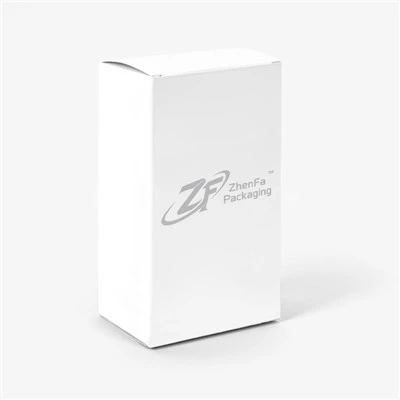
First off, let’s start with the basics you can’t skip before you even pick up a design tool. I see so many new clients jump straight to Canva or hiring a designer before figuring out what their carton actually needs. Folding cartons aren’t one-size-fits-all—they’re made from different board types, and the board determines what decoration techniques will stick (literally and figuratively). Like, if you’re packing heavy things (think cereal boxes with dense flakes or cleaning supplies that take up space), you’ll use a thicker, solid bleached sulfate (SBS) board. If it’s a light product like tea bags or craft supplies, a thinner corrugated fiberboard might work, but wait—even thin SBS for cosmetics needs a smooth finish. Why does this matter for decorating? Because rough board will make your ink look blotchy, or a fancy foil stamp won’t adhere right. I always tell new clients: send me a prototype of your carton blank before you lock in a design, or I can hook you up with a sample blank for free—no hoops to jump through. It saves you so much headache later when your printer can’t pull off that glossy finish you wanted because the board’s wrong.
Next, let’s talk about decoration techniques that actually work, not just the shiny ones you see on Instagram. I’ve tried (and messed up) almost every trick in the book, so I know which are worth your time and which are just for show. Let’s start with the most common one: offset printing. This is what most big brands use, and for good reason—if you’re doing a run of 10,000 or more, it’s cost-effective, the colors are consistent, and you can get sharp details. The downside? It requires a custom plate, so if you’re only doing a run of 500 for a small batch launch, that plate cost can kill your budget. I had a startup a couple years back who wanted offset printing for 2000 boxes of their homemade pet treats, and we talked them into digital printing instead—way cheaper for small runs, same crisp colors. Digital printing is perfect for low quantities, variable data (like putting each pet’s name on a box for a limited run), and testing designs before you commit to a big order.
Then there are the “wow” techniques that make your carton stand out. Foil stamping? Love it, but only if you’re doing it on the right areas. I once had a client who covered their entire small skincare carton with gold foil, and it ended up looking too busy—cost them an extra 30% because foil is pricier than ink, and the box was hard to open. Stick to a logo, a small accent, or product name—subtlety is key. Embossing and debossing? That’s when you press a design into the board so it’s raised (embossing) or indented (debossed). It adds texture, which is huge for sensory products—like chocolate bars, where you can emboss the brand name and a little cocoa leaf so you can feel it before you even open the box. Again, don’t overdo it—too many embossed elements make the carton messy and hard to fold, which can mess up the manufacturing process.
Wait, let’s not forget about special coatings—these are the unsung heroes of folding carton decoration. Aqueous coating (a water-based clear coat) is cheap, gives a slight shine, and protects the ink from smudging when you’re packing or shipping. Perfect for everyday products, no fuss. Gloss UV coating? Way shinier, makes colors pop, but it’s a bit more expensive, and if you get it on a crease line, it can crack when the carton is folded. Matte coating? Super popular right now for premium products, like coffee or skincare—feels more high-end, no glare, great for photos. But it does show fingerprints more than glossy, so that’s something to keep in mind if your carton is going to be handled a lot in stores. I always ask clients: where will this carton live? On a shelf where it’s not touched much, or in a display bin where people grab it all the time? That answer changes which coating we recommend.
Now, let’s talk about mistakes I see people make all the time, because learning from my mess-ups is better than your own. First, ignoring the folding lines and crease areas. I had a client who designed a huge logo right over the main fold on their cereal box—when we folded the carton, the logo stretched and got all distorted, so they had to reprint 5000 boxes. Don’t let that happen to you! When you’re designing, leave a 1/8 inch margin on all fold lines—keep text and logos away from those areas. Another mistake: using too many colors. Printing more colors costs more (each color is a separate plate for offset, or adds up digitally), and it can make the design look cluttered. I tell clients to stick to 2-3 main colors, plus a couple accent colors—enough to look good, not enough to break the bank. Oh, and don’t forget about the inside of the carton! So many people decorate just the outside, but if your carton has a window, or if you want to add a little note, or even a product instruction on the inside, that’s extra space to use. I had a candle client a while back who put a funny quote on the inside of their carton, and customers were posting about it all over TikTok—made their sales jump 15% just from that tiny detail.
Wait, what about when you have a custom shape? A lot of my clients want non-rectangular cartons—like a heart shape for Valentine’s Day candy, or a round box for lip balm. Decorating custom shapes is a little trickier, but not impossible. For curved areas, foil stamping or digital printing works better than offset, because the offset plates don’t bend well. Also, make sure you design the decoration to follow the curve—don’t put text that’s straight on a round box, because it’ll look squished. I worked with a chocolate brand last year who did a heart-shaped box and used gold foil along the edges, plus a little embossed heart in the center, and it sold out in 2 weeks. The key there was keeping the design simple and matching the shape, not fighting it.
Now, let’s wrap this up with what matters most to you, right? Your goals. Are you launching a new product and testing the market? Go with digital printing, simple design, maybe one accent color and a matte coating—low risk, low cost. Are you an established brand doing a holiday limited run? Offset printing with foil stamping and embossing will make your boxes look premium, worth the extra cost. Are you packing a fragile product? Maybe a gloss UV coating to protect the ink, and a textured emboss to make the box feel sturdy. I always tell clients that decorating a folding carton isn’t just about aesthetics—it’s a marketing tool. It’s the first thing a customer sees before they pick up your product, so it needs to tell them what your brand is about, what’s inside, and make them want it.
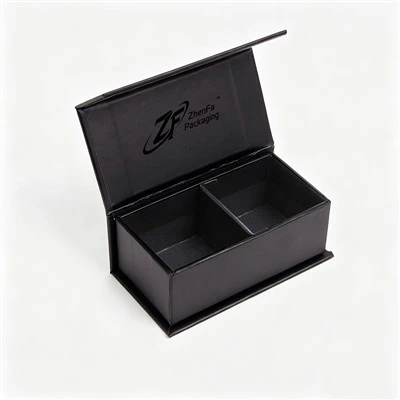
If you’re ready to stop guessing and start decorating, hit me up. I can help you pick the right board, technique, and design that fits your budget and product—no sales pitch, just real advice from someone who’s been doing this for years. We’ve got sample blanks, price breakdowns for different runs, and even design tips if you need a hand. Don’t waste time and money on designs that don’t work—let’s make your carton stand out for all the right reasons.
Corrugated Box References:
- Folding Carton Decorating Techniques: A Practical Guide, Paper Packaging Association, 2022
- Cost-Effective Printing Solutions for Small to Medium Run Packaging, Packaging World, 2023
- Consumer Perception of Packaging Design: How Decoration Drives Purchase Decisions, Journal of Packaging Science, 2021
Wenzhou Zhenfa Packaging Co., Ltd.
As one of the most professional folding carton manufacturers and suppliers in China, we have world-leading production equipment and strong manufacturing capabilities. Please feel free to wholesale bulk advanced folding carton in stock here from our factory. Also, quotation is available.
Address: Room 105, Building 10, Century Science and Technology Entrepreneurship Park, Longgang City, Wenzhou City, Zhejiang Province
E-mail: ZhenfaPackaging@outlook.com
WebSite: https://www.cnzhenfa.com/
