Door panel systems are an essential part of any building, providing both aesthetic appeal and functionality. One of the most critical aspects of door panel systems is their fire – resistance levels. As a supplier of door panel systems, I understand the importance of these fire – resistance levels in ensuring the safety and compliance of buildings. In this blog, I will delve into the details of the fire – resistance levels of door panel systems, including what they are, how they are determined, and why they matter. Door Panel Systems
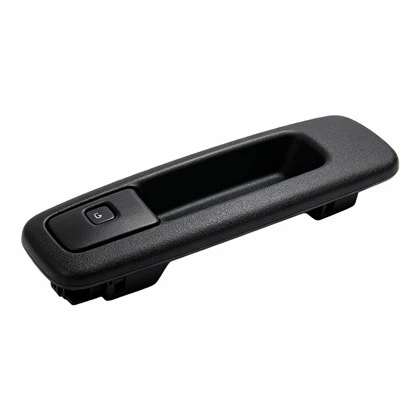
Understanding Fire – Resistance Levels
The fire – resistance level of a door panel system refers to its ability to withstand fire and prevent the spread of flames, smoke, and hot gases for a specified period. This period is measured in minutes and is commonly referred to as the fire – rating. For example, a door panel system with a 60 – minute fire – rating is designed to resist fire for up to an hour under specific test conditions.
Fire – resistance levels are classified according to various standards, such as the UL (Underwriters Laboratories) standards in the United States and the EN (European Norms) standards in Europe. These classifications are based on rigorous testing procedures that simulate real – world fire scenarios. During these tests, door panel systems are exposed to a controlled fire, and their performance is evaluated based on factors like the integrity (prevention of flame penetration), insulation (reduction of heat transfer), and stability (maintaining structural integrity) of the door.
Different Fire – Rating Categories
There are several common fire – rating categories for door panel systems, each with a specific purpose and application.
- 20 – Minute Fire – Rating: Doors with a 20 – minute fire – rating are often used in locations where a short delay in fire spread is sufficient. This might include storage areas, small utility rooms, or areas where the fire load is relatively low. These doors can provide enough time for occupants to evacuate and for the fire department to respond in the early stages of a fire.
- 45 – Minute Fire – Rating: A 45 – minute fire – rated door offers a more substantial level of protection. They are commonly installed in areas where a medium – level fire hazard exists, such as corridors that connect different parts of a building. These doors help to compartmentalize the building, preventing the rapid spread of fire and smoke to other areas.
- 60 – Minute and 90 – Minute Fire – Ratings: Doors with 60 – or 90 – minute fire – ratings are required in high – risk areas of a building. This includes areas where people gather in large numbers, such as assembly halls, theaters, or stairwells. Stairwell doors, in particular, need to have a high fire – rating to ensure that they remain intact and functional during a fire, providing a safe means of egress for building occupants.
- 120 – Minute Fire – Rating: The highest common fire – rating for door panel systems is 120 minutes. These doors are typically used in critical areas of a building, such as firewall separations or around areas that house essential building services like electrical substations or mechanical rooms. They are designed to withstand a long – duration fire, protecting both the building’s structural integrity and critical infrastructure.
Factors Affecting Fire – Resistance Levels
Several factors can affect the fire – resistance level of a door panel system.
- Material Composition: The materials used in the construction of the door panel play a crucial role in its fire – resistance. Common materials include wood, steel, and composite materials. Steel doors, for example, generally have better fire – resistance than wood doors because steel does not burn. However, wood can be treated with fire – retardant chemicals to improve its fire – performance. Composite materials, which combine different substances, can be engineered to offer high levels of fire – resistance while also providing other benefits such as insulation and durability.
- Core Material: The core of the door panel is also significant. Some door cores are made of fire – resistant materials like mineral wool, vermiculite, or intumescent materials. Mineral wool is an excellent insulator and can significantly reduce heat transfer through the door. Intumescent materials expand when exposed to heat, forming a char layer that helps to seal the door and prevent the passage of flames and smoke.
- Seals and Gaskets: Properly installed seals and gaskets around the door perimeter are essential for maintaining the fire – resistance of the door panel system. These seals help to prevent the leakage of smoke and hot gases, which can bypass the door and spread the fire to other areas. High – quality, fire – rated seals are designed to expand when heated, filling any gaps that may occur during a fire.
- Installation: Correct installation is critical for achieving the rated fire – resistance of a door panel system. Improper installation, such as incorrect fitting, loose hinges, or gaps around the door frame, can compromise the door’s ability to withstand fire. It is essential to follow the manufacturer’s installation instructions carefully and ensure that the door is installed by a qualified professional.
Importance of Fire – Resistance Levels in Door Panel Systems
The fire – resistance levels of door panel systems are of utmost importance for several reasons.
- Life Safety: The primary function of fire – rated doors is to protect the lives of building occupants. By preventing the rapid spread of fire and smoke, these doors provide more time for people to evacuate safely. In a large building, where evacuation may take several minutes or more, a well – designed and properly installed fire – rated door can make a significant difference between life and death.
- Property Protection: Fire – rated door panel systems also help to protect the property within the building. By containing the fire to a specific area, they can prevent or minimize damage to other parts of the structure, equipment, and inventory. This can significantly reduce the financial losses associated with a fire.
- Compliance with Building Codes: Most building codes require the installation of fire – rated door panel systems in certain areas of a building. These codes are in place to ensure the safety of the public and to meet minimum standards for fire protection. Failure to comply with these codes can result in fines, delays in construction or occupancy, and potential liability issues in the event of a fire.
Our Door Panel Systems and Fire – Resistance
As a supplier of door panel systems, we take pride in offering a wide range of products with different fire – resistance levels. Our doors are designed and manufactured to meet or exceed the relevant industry standards, whether it’s the UL standards in the US or the EN standards in Europe.
We use high – quality materials in our door panel construction. Our steel doors are made from thick – gauge steel, which provides excellent structural integrity and fire – resistance. For wood doors, we use fire – retardant treated wood and advanced core materials to enhance their fire – performance. Our composite doors are engineered to offer a combination of fire – resistance, insulation, and durability.
All our door panel systems are equipped with high – quality seals and gaskets that are specifically designed for fire – rated applications. Our installation guidelines are clear and comprehensive, and we work closely with our clients and installers to ensure that the doors are installed correctly, maximizing their fire – resistance potential.
Contact Us for Your Fire – Rated Door Panel Needs
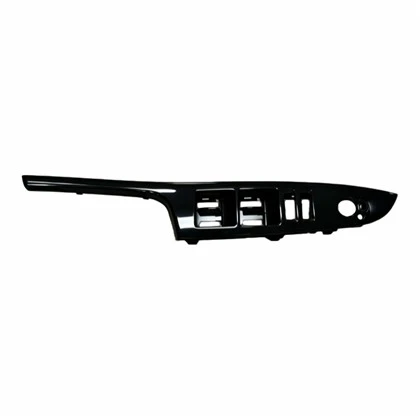
If you are in the market for door panel systems with reliable fire – resistance levels, we would love to hear from you. Whether you are an architect, builder, or facility manager, we can provide you with the right door solutions for your project. Our team of experts is available to answer any questions you may have about fire – ratings, materials, or installation. We can also offer customized solutions to meet your specific requirements.
Bumper Systems Reach out to us to discuss your needs and start the process of selecting the perfect door panel systems for your building. We look forward to partnering with you to ensure the safety and functionality of your project.
References
- NFPA 80: Standard for Fire Doors and Other Opening Protectives.
- UL 10C: Standard for Fire Tests of Door Assemblies.
- EN 1634: Fire resistance and smoke control tests for door and shutter assemblies, curtain wall and damper assemblies.
Hebei Xiujie Auto Parts Co., Ltd.
As one of the most professional door panel systems manufacturers and suppliers in China, we have world-leading production equipment and strong manufacturing capabilities. Please feel free to wholesale bulk customized door panel systems from our factory. Contact us for quotation and free sample.
Address: Industrial New Area, Wen’an County, Langfang City, Hebei Province (State-run Xiaowu Farm)
E-mail: runtaoli87@gmail.com
WebSite: https://www.xiujie-cn.com/
