When it comes to the transportation industry, safety is paramount. One crucial aspect of ensuring safety is testing the flammability of transportation materials. Our company is a leading supplier of Transportation Material Flammability Testers, which play a vital role in evaluating whether materials used in transportation meet the required flammability standards. However, sometimes abnormal test results may occur, which can cause concerns and confusion for our customers. In this blog, I will share some insights on how to deal with abnormal test results of the Transportation Material Flammability Tester. Transportation Material Flammability Tester

Understanding the Possible Causes of Abnormal Test Results
Before taking any corrective actions, it is essential to understand the potential causes of abnormal test results. There are several factors that could lead to such anomalies:
1. Instrument – related Issues
- Calibration Problems: If the Transportation Material Flammability Tester is not calibrated correctly, it can produce inaccurate results. Over time, the sensors and other components of the tester may drift, causing deviations from the correct values. For example, the temperature sensor might give incorrect readings, which can affect the assessment of the material’s flammability.
- Equipment Malfunction: Mechanical failures, electrical problems, or issues with the gas supply system can also lead to abnormal test results. A clogged burner, a faulty ignition system, or a leak in the gas line can all disrupt the normal testing process and yield unreliable data.
2. Sample – related Issues
- Sample Preparation: Improper sample preparation is a common cause of abnormal test results. If the sample is not cut to the correct size, shape, or thickness, or if it is contaminated with foreign substances, it may not burn in the expected way. For instance, if a sample is too thick, it may take longer to ignite and burn, leading to false – positive results indicating lower flammability.
- Sample Variability: Natural materials or those with complex compositions may exhibit significant variability in their flammability properties. Even samples taken from the same batch may have different flammability characteristics due to differences in their microstructure, fiber orientation, or chemical composition.
3. Test Environment – related Issues
- Temperature and Humidity: The test environment’s temperature and humidity can have a significant impact on the flammability of materials. High humidity can increase the moisture content of the sample, making it more difficult to ignite and burn. Similarly, extreme temperatures can affect the physical and chemical properties of the material, altering its flammability behavior.
- Airflow: Uncontrolled airflow in the testing area can disrupt the flame spread pattern and skew the test results. A draft or a strong air current can cause the flame to extinguish prematurely or spread more rapidly than normal.
Steps to Deal with Abnormal Test Results
1. Re – check the Test Setup
- Verify Calibration: The first step is to ensure that the Transportation Material Flammability Tester is properly calibrated. Follow the manufacturer’s guidelines for calibration and use certified calibration standards. Check the calibration records to see when the last calibration was performed and whether there have been any recent adjustments.
- Inspect the Equipment: Conduct a thorough inspection of the tester to check for any signs of malfunction. Look for loose connections, damaged components, or leaks in the gas system. Clean the burner and other parts of the tester to remove any debris or deposits that may affect its performance.
2. Review the Sample Preparation
- Check Sample Dimensions: Measure the dimensions of the sample to ensure that it meets the requirements of the test standard. Use a precision measuring tool, such as a caliper or a micrometer, to verify the thickness, width, and length of the sample.
- Examine Sample Purity: Check the sample for any signs of contamination. If possible, clean the sample using a suitable solvent to remove any dirt, oil, or other foreign substances. If the sample is suspected to be of poor quality, consider obtaining a new sample from the same source or a different batch.
3. Evaluate the Test Environment
- Control Temperature and Humidity: Use a temperature and humidity control system to maintain the test environment within the specified range. Monitor the temperature and humidity levels during the test and record the values for reference. If the environment is not within the acceptable range, adjust the conditions accordingly and repeat the test.
- Minimize Airflow: Ensure that the testing area is well – sealed and free from drafts. Use a draft shield or a ventilation system to control the airflow around the sample during the test. Avoid opening doors or windows during the test to prevent sudden changes in the air pressure.
4. Repeat the Test
After addressing the potential causes of the abnormal test results, repeat the test using the same sample and test conditions. Make sure to follow the test procedure carefully and record all the relevant data, including the ignition time, flame spread rate, and after – flame time. Compare the new test results with the previous ones to see if the anomaly has been resolved.
5. Consult with Experts
If the abnormal test results persist after repeating the test, it may be necessary to consult with experts in the field of material flammability testing. Our company has a team of experienced technicians and engineers who can provide technical support and guidance. They can review the test data, analyze the possible causes of the problem, and recommend appropriate solutions.
6. Consider External Factors
In some cases, external factors such as changes in the material’s manufacturing process or the introduction of new ingredients may be responsible for the abnormal test results. If this is suspected, it is important to work with the material supplier to investigate the issue further. They may be able to provide information about the material’s composition and production methods, which can help to identify the root cause of the problem.
Importance of Addressing Abnormal Test Results
Addressing abnormal test results promptly and effectively is crucial for several reasons. Firstly, it ensures the accuracy and reliability of the test data, which is essential for making informed decisions about the safety and compliance of transportation materials. Incorrect test results can lead to the use of materials that do not meet the required flammability standards, posing a significant risk to passengers and cargo.
Secondly, resolving abnormal test results can save time and money in the long run. By identifying and fixing the problem early, you can avoid costly re – testing and potential delays in the transportation material approval process. It also helps to maintain the reputation of your company and the materials you use, as adhering to safety standards is a sign of quality and reliability.
Conclusion
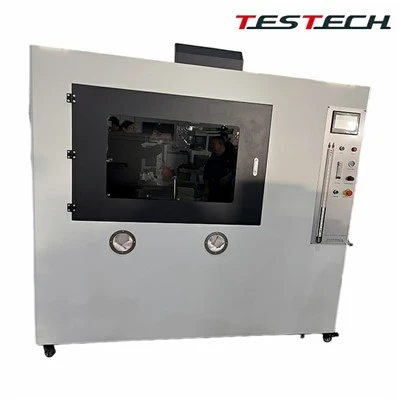
Dealing with abnormal test results of the Transportation Material Flammability Tester requires a systematic approach. By understanding the possible causes, re – checking the test setup, reviewing the sample preparation, evaluating the test environment, repeating the test, consulting with experts, and considering external factors, you can effectively resolve the issue and ensure the accuracy of the test results.
Fabric Flammability Tester As a leading supplier of Transportation Material Flammability Testers, we are committed to providing our customers with high – quality products and excellent technical support. If you are experiencing problems with abnormal test results or have any other questions about our testers, please do not hesitate to contact us for a consultation. We look forward to working with you to ensure the safety and compliance of your transportation materials.
References
- ASTM International. (202X). Standard test methods for flammability of transportation materials. ASTM.
- ISO. (202X). International standard for testing the flammability of materials used in the transportation industry. ISO.
TESTech Instrument (Suzhou) Technologies
TESTech Instrument (Suzhou) Technologies is one of the most reliable transportation material flammability tester manufacturers and suppliers in China. If you’re going to wholesale durable transportation material flammability tester, welcome to get quotation from our factory. For price consultation, contact us.
Address: 8/F, R&D and Production Workshop No. 5, Jiangsu Guoqian Technology Innovation Industrial Park, 168 Lüliangshan Road, Huqiu District, Suzhou, Jiangsu Province, China
E-mail: sales@testech.com.cn
WebSite: https://www.testechfiretest.com/
