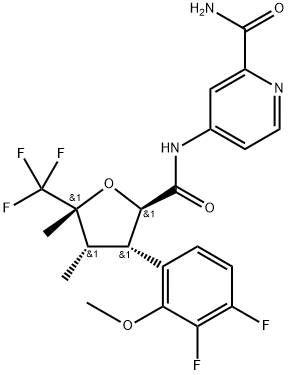
Hey there! As a supplier of finished dosage forms, I often get asked about the storage requirements for these products. It’s a crucial topic because proper storage can greatly impact the quality, efficacy, and safety of the medications we provide. In this blog, I’ll break down the key storage considerations for finished dosage forms and share some insights from my experience in the industry. Finished Dosage Form
Temperature and Humidity
One of the most important factors in storing finished dosage forms is maintaining the right temperature and humidity levels. Different types of medications have specific temperature ranges within which they should be stored to ensure their stability. For example, most solid oral dosage forms, like tablets and capsules, are typically stored at room temperature, which is around 20 – 25°C (68 – 77°F). However, some medications, such as insulin and certain vaccines, need to be stored in the refrigerator, usually between 2 – 8°C (36 – 46°F).
Humidity also plays a significant role, especially for medications that are sensitive to moisture. High humidity can cause tablets to break down, capsules to stick together, and powders to clump. That’s why it’s important to store finished dosage forms in a dry environment. In some cases, we use desiccants in packaging to absorb any excess moisture and keep the medications dry.
Light and Air
Another thing to watch out for is exposure to light and air. Many medications can degrade when exposed to light, especially ultraviolet (UV) light. That’s why a lot of finished dosage forms come in opaque containers or are packaged in blister packs that block out light. If a medication is particularly light-sensitive, it might even be recommended to store it in a dark place, like a cabinet or a drawer.
Similarly, air can cause oxidation and other chemical reactions that can affect the quality of the medication. For this reason, some medications are packaged in airtight containers or with special packaging materials that protect them from air. And once a container is opened, it’s important to follow the instructions about how long the medication can be stored and whether it needs to be kept in a sealed environment.
Compatibility and Separation
When storing finished dosage forms, you also need to consider the compatibility of different medications. Some medications can react with each other if they’re stored too close together, which can lead to changes in their chemical composition and potentially reduce their effectiveness. That’s why it’s a good idea to store medications separately, especially if they have different chemical properties.
In addition, it’s important to keep medications away from other substances that could contaminate them, like cleaning products, chemicals, and food. This helps to prevent cross-contamination and ensures the safety of the medications.
Handling and Stacking
Proper handling and stacking of finished dosage forms are also important for maintaining their quality. When moving medications, it’s important to be gentle and avoid dropping or shaking the containers too much. This can prevent damage to the dosage forms and ensure that they remain intact.
When stacking medications, you need to make sure that the containers are stable and won’t tip over. You also need to avoid stacking heavy containers on top of lighter ones, as this can cause damage to the products at the bottom. And if you’re storing medications on shelves, make sure that the shelves are clean, dry, and strong enough to support the weight of the containers.
Documentation and Monitoring
Finally, it’s crucial to keep accurate records of the storage conditions for finished dosage forms. This includes documenting the temperature, humidity, and any other relevant information at regular intervals. By keeping these records, you can ensure that the medications are being stored properly and detect any issues early on.
Monitoring the storage conditions is also important. You can use temperature and humidity sensors to keep track of the environment in the storage area. If the conditions go outside the recommended range, you can take immediate action to correct the problem and prevent any damage to the medications.
Conclusion
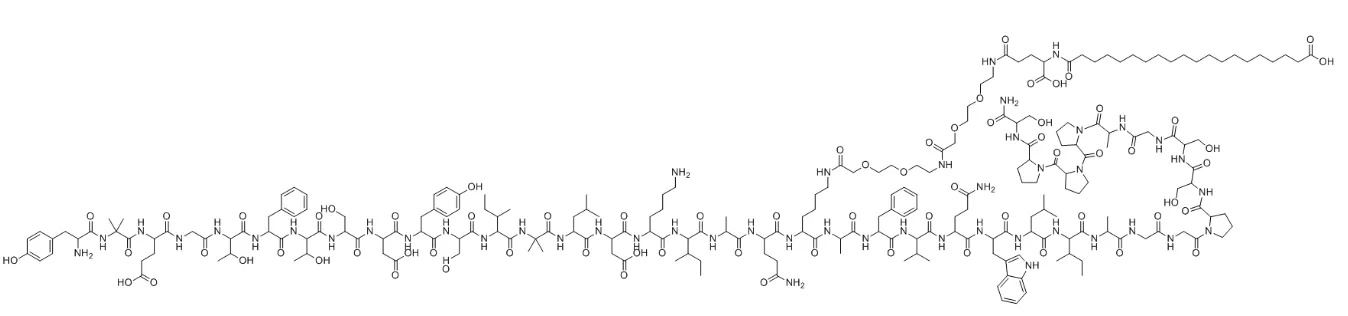
In conclusion, storing finished dosage forms requires careful attention to several factors, including temperature, humidity, light, air, compatibility, handling, and documentation. By following the proper storage guidelines, we can ensure that the medications we supply are of the highest quality and retain their effectiveness until they reach the end-users.
Cardiovascular Agents If you’re in the market for finished dosage forms and want to learn more about our products and how we ensure proper storage, feel free to reach out for a chat. I’m here to answer any questions you might have and discuss how we can meet your needs.
References
- Allen, L. V., & Popovich, N. G. (2019). Ansel’s Pharmaceutical Dosage Forms and Drug Delivery Systems. Lippincott Williams & Wilkins.
- Martin, A., Bustamante, P., & Cammarata, P. (2017). Physical Pharmacy: Physical Chemical Principles in the Pharmaceutical Sciences. Lippincott Williams & Wilkins.
HK Neopharm Limited
HK Neopharm Limited is one of the most professional finished dosage form manufacturers and suppliers in China, also supports customized service. Welcome to buy high quality finished dosage form in stock here and get quotation from our factory. For price consultation, contact us.
Address: Room W Unit 6086/f Metro Loft 38kwai Hei St Kwai Chung, Hong Kong
E-mail: sales@hkneopharm.com
WebSite: https://www.hkneopharm.com/
