As a supplier of spirally wound stainless steel tubes, I’ve witnessed firsthand the profound impact of the spirally wound structure on a tube’s mechanical properties. In this blog, I’ll delve into the details of how this unique structure influences various aspects of the tube’s performance, from strength and flexibility to corrosion resistance. Spirally Wound Stainless Steel Tube
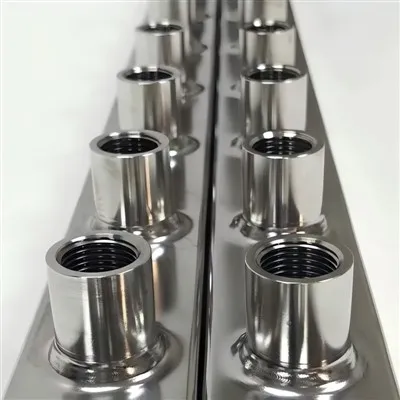
1. Understanding the Spirally Wound Structure
The spirally wound structure is created by winding a strip of stainless steel around a mandrel in a helical pattern. This process results in a tube with a continuous, overlapping seam that runs along its length. The angle of the helix, the thickness of the strip, and the number of layers can all be adjusted to achieve different mechanical properties.
2. Impact on Strength
One of the most significant advantages of the spirally wound structure is its ability to enhance the tube’s strength. The helical winding pattern distributes stress evenly across the tube, reducing the likelihood of stress concentrations and improving its overall load-bearing capacity. This makes spirally wound stainless steel tubes ideal for applications where high strength is required, such as in the construction of bridges, buildings, and industrial equipment.
In addition, the overlapping seam of the spirally wound structure provides an extra layer of reinforcement, further increasing the tube’s strength. This is particularly important in applications where the tube is subjected to high pressure or external forces.
3. Flexibility and Bendability
Another benefit of the spirally wound structure is its flexibility and bendability. Unlike traditional straight tubes, spirally wound tubes can be easily bent and shaped to fit specific applications. This makes them ideal for use in applications where flexibility is required, such as in the installation of plumbing systems, HVAC systems, and automotive exhaust systems.
The helical winding pattern of the spirally wound structure allows the tube to flex and bend without losing its structural integrity. This is because the overlapping seam provides a degree of flexibility while still maintaining the tube’s strength.
4. Corrosion Resistance
Stainless steel is known for its excellent corrosion resistance, and the spirally wound structure further enhances this property. The overlapping seam of the spirally wound structure provides a barrier against moisture and other corrosive elements, preventing them from reaching the inner surface of the tube. This makes spirally wound stainless steel tubes ideal for use in applications where corrosion resistance is critical, such as in the chemical, food, and beverage industries.
In addition, the smooth surface of the spirally wound tube reduces the likelihood of corrosion by preventing the accumulation of dirt, debris, and other contaminants. This makes the tube easier to clean and maintain, further extending its lifespan.
5. Fatigue Resistance
The spirally wound structure also improves the tube’s fatigue resistance. Fatigue is a common problem in tubes that are subjected to repeated stress or vibration, such as in automotive and aerospace applications. The helical winding pattern of the spirally wound structure helps to distribute stress evenly across the tube, reducing the likelihood of fatigue failure.
In addition, the overlapping seam of the spirally wound structure provides an extra layer of reinforcement, further improving the tube’s fatigue resistance. This makes spirally wound stainless steel tubes ideal for use in applications where fatigue resistance is critical, such as in the construction of aircraft wings, engine components, and automotive suspension systems.
6. Thermal Expansion and Contraction
The spirally wound structure also affects the tube’s thermal expansion and contraction properties. Stainless steel has a relatively high coefficient of thermal expansion, which means that it expands and contracts significantly with changes in temperature. The helical winding pattern of the spirally wound structure allows the tube to expand and contract without causing stress or damage to the tube.
This makes spirally wound stainless steel tubes ideal for use in applications where temperature changes are common, such as in the construction of industrial furnaces, heat exchangers, and pipelines.
7. Conclusion

In conclusion, the spirally wound structure has a significant impact on the mechanical properties of stainless steel tubes. It enhances the tube’s strength, flexibility, corrosion resistance, fatigue resistance, and thermal expansion and contraction properties. These properties make spirally wound stainless steel tubes ideal for a wide range of applications, from construction and industrial equipment to automotive and aerospace components.
Finned Condenser Tube If you’re in the market for high-quality spirally wound stainless steel tubes, I encourage you to contact us to discuss your specific requirements. Our team of experts can help you select the right tube for your application and provide you with the support and guidance you need to ensure a successful project.
References
- ASM Handbook, Volume 1: Properties and Selection: Irons, Steels, and High-Performance Alloys
- Corrosion Resistance of Stainless Steels, Second Edition by George S. Frankel
- Mechanical Behavior of Materials: Engineering Methods for Deformation, Fracture, and Fatigue by Norman E. Dowling
China Super Tech Co., Ltd.
As one of the most professional spirally wound stainless steel tube manufacturers and suppliers in China, we’re featured by quality products and good service. Please rest assured to wholesale OEM spirally wound stainless steel tube from our factory. Also, custom service is available.
Address: Wangjing Science and Technology Park, Guangshun North Street, Chaoyang District, Beijing
E-mail: sales@316liquidcooling.com
WebSite: https://www.316liquidcooling.com/
