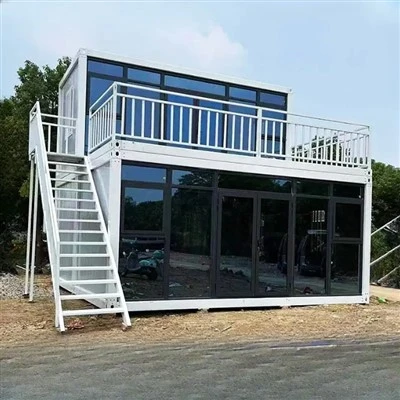
As a provider of modular container homes, I’ve witnessed firsthand the significance of proper ventilation systems in these innovative living spaces. Ventilation isn’t just about fresh air; it’s a crucial element that impacts the comfort, health, and durability of container homes. In this blog, I’ll delve into the various ventilation systems available for modular container homes, explaining their functions, benefits, and considerations. Modular Container Homes
Why Ventilation is Essential in Modular Container Homes
Modular container homes, despite their many advantages, face unique challenges when it comes to air quality. These homes are often built with sealed containers, which can trap moisture, odors, and pollutants inside. Without adequate ventilation, the air inside can become stale, leading to a range of issues such as mold growth, respiratory problems, and unpleasant living conditions.
Proper ventilation helps to:
- Remove moisture: Container homes are prone to condensation, especially in humid climates. Ventilation systems can expel excess moisture, preventing mold and mildew from forming on walls and furniture.
- Eliminate odors: Cooking, cleaning, and human activities can generate unpleasant odors. A good ventilation system can remove these odors, keeping the air fresh and clean.
- Improve air quality: Ventilation helps to dilute and remove pollutants such as volatile organic compounds (VOCs), carbon monoxide, and particulate matter. This is particularly important for people with allergies or respiratory conditions.
- Enhance comfort: Fresh air can make a significant difference in how comfortable a space feels. Proper ventilation can regulate temperature and humidity, creating a more pleasant living environment.
Types of Ventilation Systems for Modular Container Homes
There are several types of ventilation systems available for modular container homes, each with its own advantages and disadvantages. The choice of system depends on factors such as the size of the home, the climate, and the specific needs of the occupants.
Natural Ventilation
Natural ventilation is the simplest and most cost-effective way to ventilate a modular container home. It relies on the natural movement of air through openings such as windows, doors, and vents. Natural ventilation can be enhanced by using cross-ventilation, which involves creating a flow of air through the home by opening windows on opposite sides.
Benefits of Natural Ventilation:
- Energy-efficient: Natural ventilation doesn’t require any mechanical equipment, so it doesn’t consume electricity. This can result in significant energy savings over time.
- Healthy: Natural ventilation provides fresh air without the use of chemicals or filters, which can be beneficial for people with allergies or respiratory conditions.
- Cost-effective: Natural ventilation is relatively inexpensive to install and maintain.
Considerations for Natural Ventilation:
- Weather-dependent: Natural ventilation is only effective when the weather is favorable. In hot or cold climates, it may not be sufficient to maintain a comfortable indoor temperature.
- Limited control: Natural ventilation is difficult to control, as it depends on the wind and the temperature difference between the inside and outside of the home.
- Security concerns: Opening windows and doors for ventilation can pose a security risk, especially in areas with high crime rates.
Mechanical Ventilation
Mechanical ventilation systems use fans or blowers to move air in and out of the home. There are several types of mechanical ventilation systems, including exhaust ventilation, supply ventilation, and balanced ventilation.
Exhaust Ventilation:
Exhaust ventilation systems work by removing stale air from the home through vents or ducts. The most common type of exhaust ventilation system is a bathroom or kitchen fan, which removes moisture and odors from these areas. Exhaust ventilation systems can also be installed in other areas of the home, such as the laundry room or basement.
Benefits of Exhaust Ventilation:
- Effective at removing moisture and odors: Exhaust ventilation systems are very effective at removing moisture and odors from specific areas of the home.
- Easy to install and maintain: Exhaust ventilation systems are relatively easy to install and maintain, and they can be controlled with a switch or timer.
- Cost-effective: Exhaust ventilation systems are relatively inexpensive to purchase and operate.
Considerations for Exhaust Ventilation:
- Negative pressure: Exhaust ventilation systems create negative pressure inside the home, which can cause air to be drawn in through cracks and gaps in the walls and windows. This can lead to drafts and energy loss.
- Limited fresh air intake: Exhaust ventilation systems only remove stale air from the home; they don’t bring in fresh air. This can lead to a buildup of pollutants and a decrease in air quality.
Supply Ventilation:
Supply ventilation systems work by bringing fresh air into the home through vents or ducts. The most common type of supply ventilation system is a whole-house fan, which draws fresh air into the home through open windows and doors. Supply ventilation systems can also be installed in specific areas of the home, such as the bedroom or living room.
Benefits of Supply Ventilation:
- Improves air quality: Supply ventilation systems bring fresh air into the home, which can improve air quality and reduce the buildup of pollutants.
- Reduces energy loss: Supply ventilation systems can help to reduce energy loss by replacing stale air with fresh air.
- Comfortable: Supply ventilation systems can create a more comfortable living environment by regulating temperature and humidity.
Considerations for Supply Ventilation:
- Positive pressure: Supply ventilation systems create positive pressure inside the home, which can cause air to be forced out through cracks and gaps in the walls and windows. This can lead to drafts and energy loss.
- Filter maintenance: Supply ventilation systems require filters to be changed regularly to ensure that the air is clean and free of pollutants.
- Noise: Supply ventilation systems can be noisy, especially if they are not installed properly.
Balanced Ventilation:
Balanced ventilation systems work by both bringing in fresh air and removing stale air from the home. The most common type of balanced ventilation system is a heat recovery ventilator (HRV) or an energy recovery ventilator (ERV). HRVs and ERVs use a heat exchanger to transfer heat and moisture between the incoming and outgoing air, which can help to reduce energy consumption.
Benefits of Balanced Ventilation:
- Improves air quality: Balanced ventilation systems bring in fresh air and remove stale air from the home, which can improve air quality and reduce the buildup of pollutants.
- Energy-efficient: HRVs and ERVs can help to reduce energy consumption by transferring heat and moisture between the incoming and outgoing air.
- Comfortable: Balanced ventilation systems can create a more comfortable living environment by regulating temperature and humidity.
Considerations for Balanced Ventilation:
- Cost: Balanced ventilation systems are more expensive to purchase and install than exhaust or supply ventilation systems.
- Maintenance: Balanced ventilation systems require regular maintenance, including filter changes and cleaning of the heat exchanger.
- Noise: Balanced ventilation systems can be noisy, especially if they are not installed properly.
Choosing the Right Ventilation System for Your Modular Container Home
When choosing a ventilation system for your modular container home, it’s important to consider several factors, including the size of the home, the climate, and the specific needs of the occupants. Here are some tips to help you choose the right ventilation system:
- Determine your ventilation needs: Consider the size of your home, the number of occupants, and the activities that take place in the home. This will help you determine the amount of ventilation that is required.
- Consider the climate: The climate in your area will also affect the type of ventilation system that you choose. In hot and humid climates, you may need a ventilation system that can remove moisture from the air. In cold climates, you may need a ventilation system that can transfer heat between the incoming and outgoing air.
- Choose a system that is energy-efficient: Energy-efficient ventilation systems can help you save money on your energy bills. Look for systems that are ENERGY STAR certified or that have a high energy efficiency rating.
- Consider the noise level: Ventilation systems can be noisy, especially if they are not installed properly. Look for systems that are designed to operate quietly.
- Get professional advice: If you’re not sure which ventilation system is right for your modular container home, it’s a good idea to get professional advice from a ventilation expert. They can help you assess your ventilation needs and recommend the best system for your home.
Conclusion
Capsule House Proper ventilation is essential for the comfort, health, and durability of modular container homes. By choosing the right ventilation system, you can ensure that your home has fresh, clean air and a comfortable living environment. As a provider of modular container homes, I’m committed to helping my customers choose the best ventilation system for their needs. If you’re interested in learning more about ventilation systems for modular container homes, or if you’re ready to purchase a modular container home, please contact me to discuss your options.
References
- ASHRAE. (2019). Ventilation for Acceptable Indoor Air Quality. ASHRAE Standard 62.1-2019.
- Building Science Corporation. (2017). Ventilation in Homes. Retrieved from https://www.buildingscience.com/documents/information-sheets/ventilation-in-homes
- U.S. Department of Energy. (2021). Ventilation in Homes. Retrieved from https://www.energy.gov/energysaver/ventilation-homes
Jiangsu Suqian Longze Modular Construction Co., Ltd.
As one of the most professional modular container homes manufacturers and suppliers in China, our products have good reputation in the market. Please feel free to buy high quality modular container homes at competitive price from our factory. We also accept customized orders.
Address: No. 8, Weisan Road, Shuanggou Town, Sihong County, Suqian City, Jiangsu Province, China
E-mail: Lzmk88888888@163.com
WebSite: https://www.expandablehousefactory.com/
