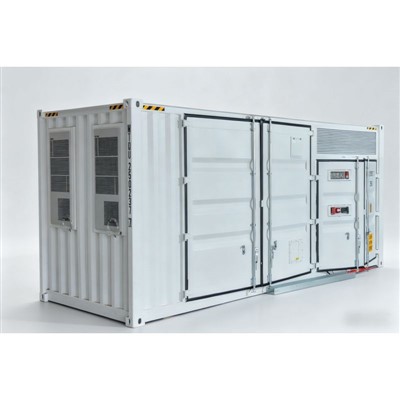
As a provider of industrial energy storage systems, I’ve witnessed firsthand the growing importance of these systems in modern industries. The reliability of industrial energy storage systems is a critical factor that determines their effectiveness and value in various applications. In this blog, I’ll delve into the key reliability factors of industrial energy storage systems, drawing on my experience and industry knowledge. Industrial Energy Storage Systems
Battery Technology
The heart of any industrial energy storage system is its battery. The choice of battery technology significantly impacts the system’s reliability. Lithium-ion batteries are currently the most popular choice for industrial energy storage due to their high energy density, long cycle life, and relatively low self-discharge rate. These characteristics make them suitable for a wide range of applications, from peak shaving to grid stabilization.
However, not all lithium-ion batteries are created equal. The quality of the battery cells, the battery management system (BMS), and the overall battery pack design play crucial roles in ensuring reliability. High-quality battery cells are less likely to experience premature failure, while a well-designed BMS can monitor and control the battery’s performance, preventing overcharging, over-discharging, and thermal runaway.
Another important consideration is the battery’s operating temperature. Lithium-ion batteries perform best within a specific temperature range, typically between 20°C and 30°C. Operating the battery outside this range can reduce its performance and lifespan. Therefore, industrial energy storage systems often include thermal management systems to maintain the battery’s temperature within the optimal range.
System Design and Integration
The design and integration of the industrial energy storage system also have a significant impact on its reliability. A well-designed system takes into account the specific requirements of the application, such as the power and energy capacity, the charging and discharging rates, and the environmental conditions.
The system’s electrical and mechanical components should be carefully selected and integrated to ensure compatibility and reliability. For example, the inverter, which converts the DC power from the battery to AC power for use in the grid or industrial equipment, should be rated to handle the system’s power output and have built-in protection features to prevent damage from overvoltage, overcurrent, and short circuits.
In addition, the system should be designed for easy maintenance and troubleshooting. Accessible components, clear labeling, and diagnostic tools can make it easier for technicians to identify and resolve issues quickly, minimizing downtime and ensuring the system’s long-term reliability.
Monitoring and Maintenance
Regular monitoring and maintenance are essential for ensuring the reliability of industrial energy storage systems. Monitoring the system’s performance, including the battery’s state of charge, state of health, and temperature, can help detect potential issues early and prevent them from escalating into major problems.
Most industrial energy storage systems are equipped with monitoring systems that provide real-time data on the system’s performance. This data can be used to analyze trends, identify anomalies, and make informed decisions about maintenance and operation.
In addition to monitoring, regular maintenance is also necessary to keep the system in good working condition. This includes tasks such as inspecting the battery cells, checking the electrical connections, and replacing worn or damaged components. Following the manufacturer’s recommended maintenance schedule can help ensure the system’s reliability and extend its lifespan.
Grid Connection and Compatibility
Industrial energy storage systems are often connected to the grid to provide power during peak demand periods or to support grid stability. Therefore, the system’s grid connection and compatibility are important reliability factors.
The system should be designed to meet the grid’s requirements, including the voltage, frequency, and power quality. It should also be able to communicate with the grid operator to receive signals and adjust its operation accordingly.
In addition, the system should be able to operate in parallel with other grid-connected devices, such as solar panels and wind turbines. Compatibility with these devices can help maximize the system’s efficiency and reliability.
Environmental Factors
The environmental conditions in which the industrial energy storage system operates can also affect its reliability. Extreme temperatures, humidity, and dust can all have a negative impact on the system’s performance and lifespan.
Therefore, the system should be designed to withstand the environmental conditions of its intended location. This may include features such as weatherproof enclosures, air conditioning systems, and dust filters.
In addition, the system should be installed in a location that is protected from potential hazards, such as floods, earthquakes, and lightning strikes. Proper installation and grounding can help ensure the system’s safety and reliability.
Conclusion
The reliability of industrial energy storage systems is a complex issue that depends on a variety of factors, including battery technology, system design and integration, monitoring and maintenance, grid connection and compatibility, and environmental factors. As a provider of industrial energy storage systems, we understand the importance of these factors and take every measure to ensure the reliability of our products.
If you’re considering investing in an industrial energy storage system, it’s important to choose a reliable provider who can offer high-quality products and comprehensive support. Our team of experts can help you select the right system for your specific needs and provide ongoing maintenance and support to ensure its long-term reliability.
Solar Connector Contact us today to learn more about our industrial energy storage systems and how they can benefit your business. We look forward to working with you to achieve your energy storage goals.
References
- "Lithium-Ion Batteries for Energy Storage: A Review." Journal of Power Sources, vol. 376, 2018, pp. 133-150.
- "Industrial Energy Storage Systems: Design, Operation, and Economics." Springer, 2019.
- "Grid-Connected Energy Storage Systems: A Review of Technologies, Applications, and Challenges." Renewable and Sustainable Energy Reviews, vol. 100, 2019, pp. 362-376.
Tianjin Xilingke New Energy Technology Co., Ltd.
As one of the most professional industrial energy storage systems manufacturers and suppliers in China, we’re featured by quality products and low price. Please rest assured to wholesale durable industrial energy storage systems made in China here from our factory. For quotation, contact us now.
Address: Suite 2601, Tower B, Wanghai International, Haihe East Road, Hebei District, Tianjin, China.
E-mail: robin@sinelinkev.com
WebSite: https://www.sinelinkenergy.com/
